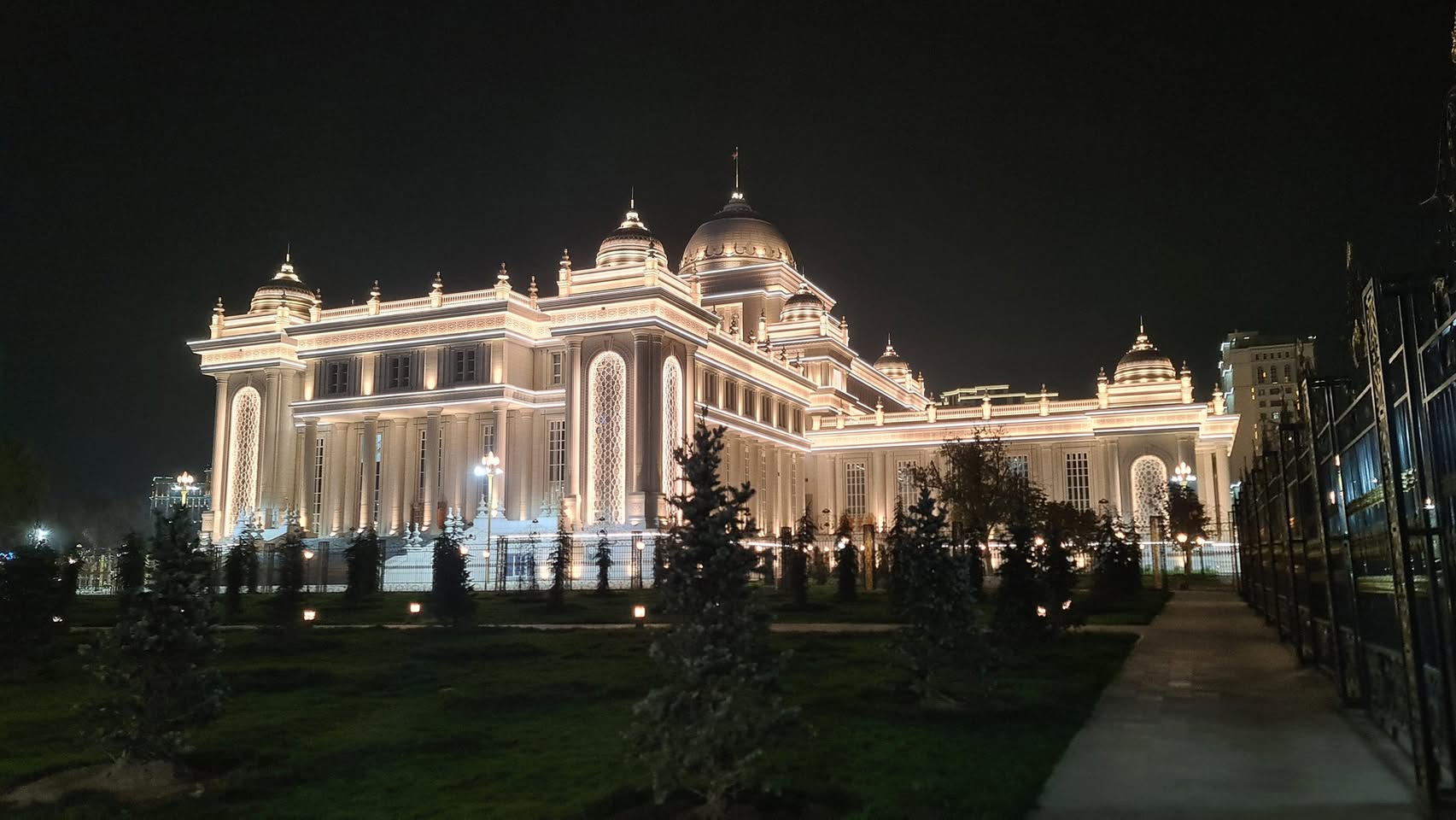
2025 Central Asia Adventure – Dushanbe Tajikistan
Today’s Huntington’s Disease report is about the range of CAG repeats on Chromosome 4 that create the normal or mutant Huntingtin protein. People in the non-HD population max out around 26 repeats. The intermediate range of 27-35 will not induce HD symptoms but could expand into the HD range in subsequent generations, especially on the paternal line. This is why HD can spontaneously show up with no family history. 36-39 enters a gray zone that leaves some people symptom-free while others develop conclusive symptoms. 40+ is considered HD-positive, with everyone in this region guaranteed to develop symptoms, but lower CAG counts sometimes reflect later onset and lesser severity.
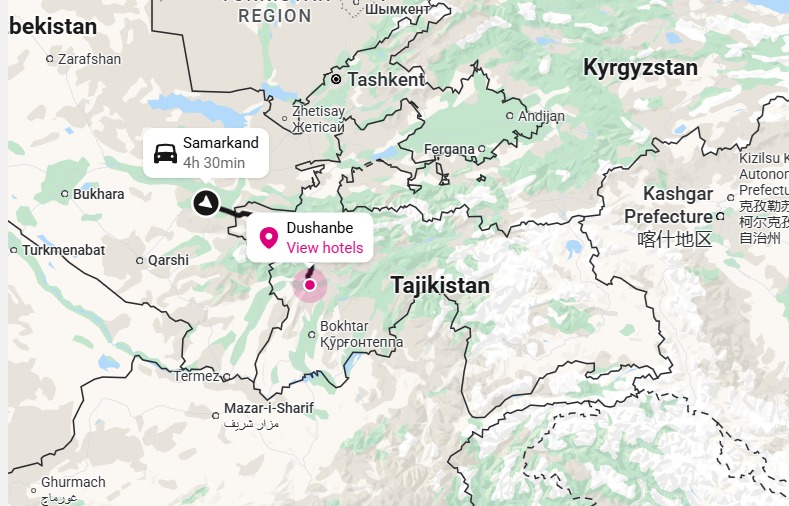
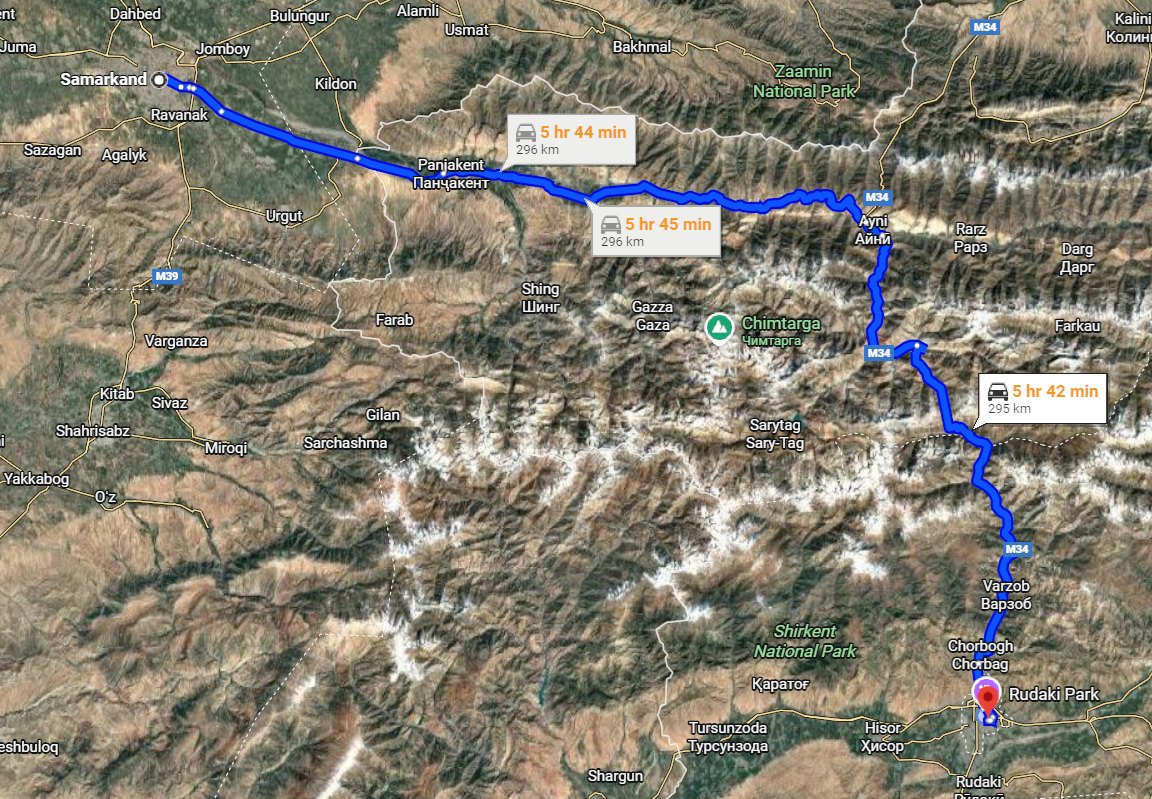
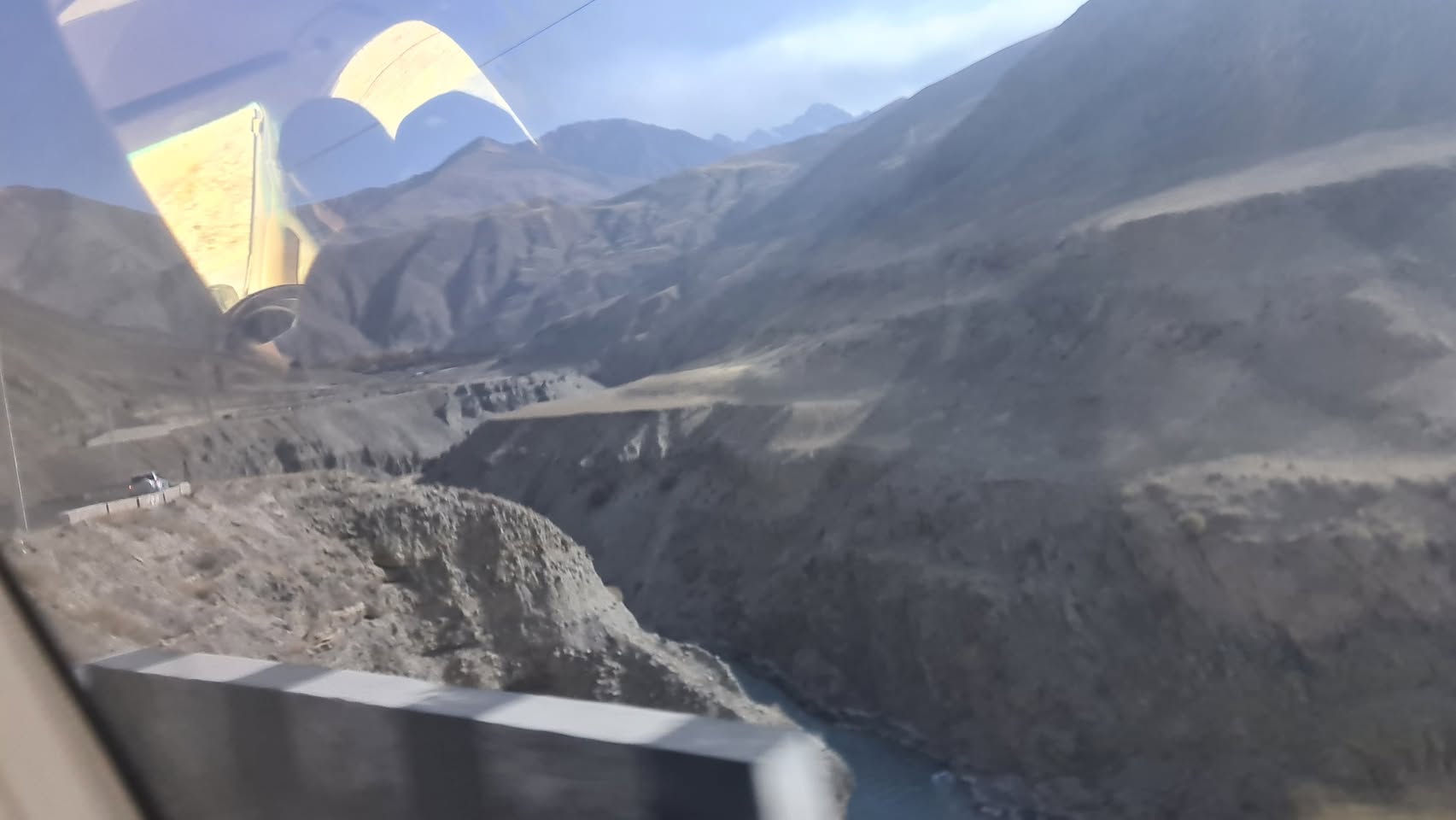
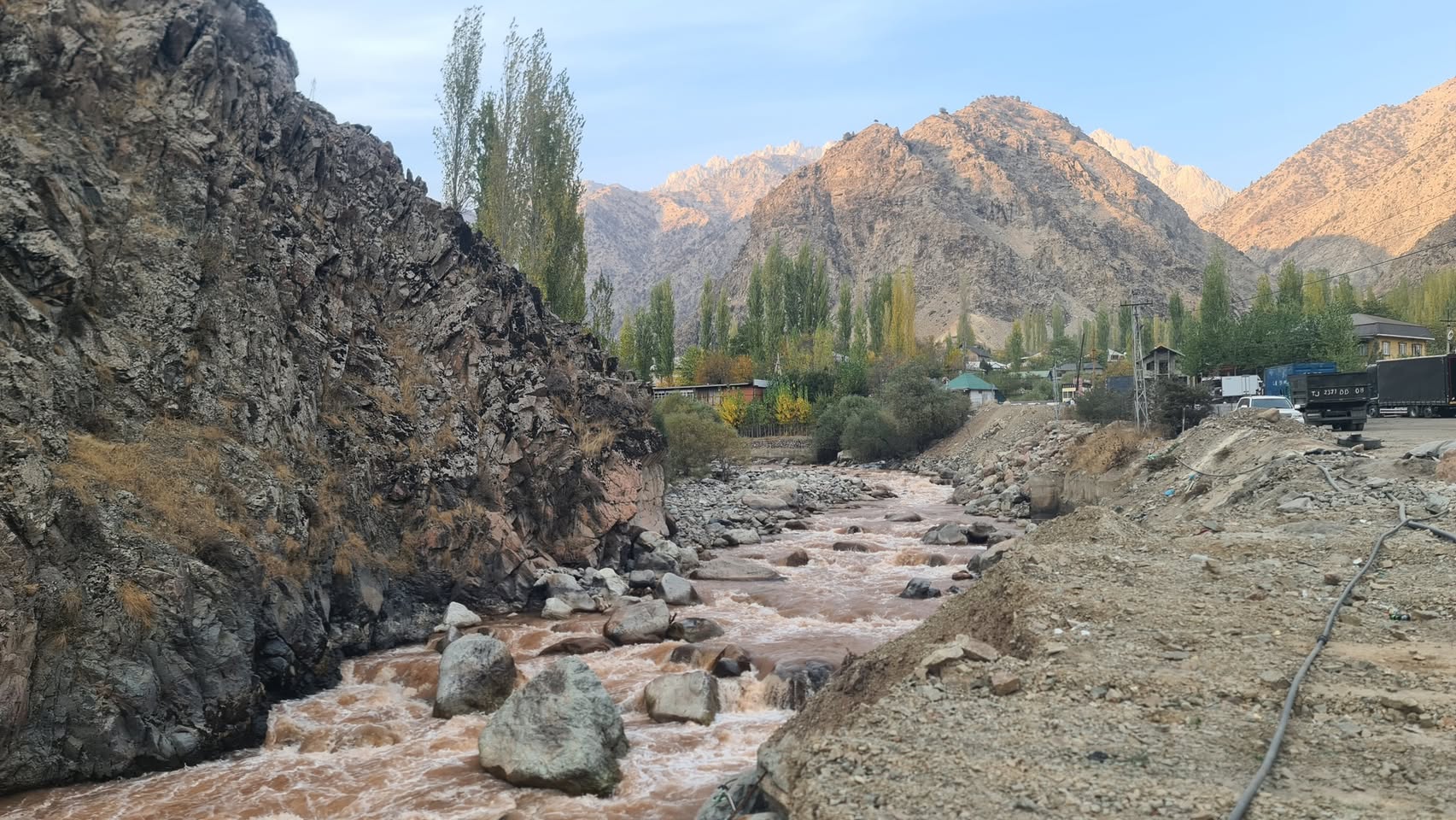
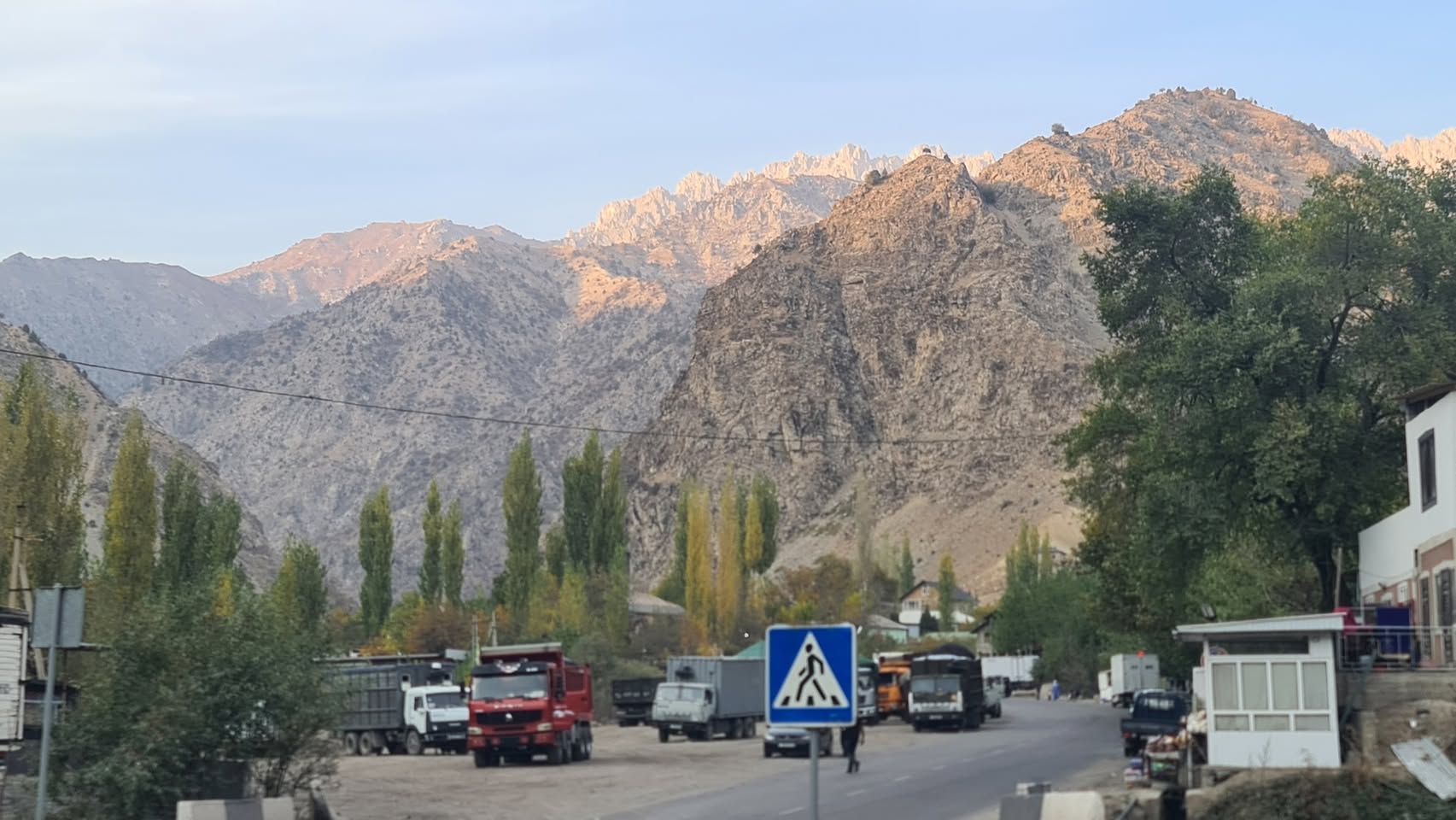
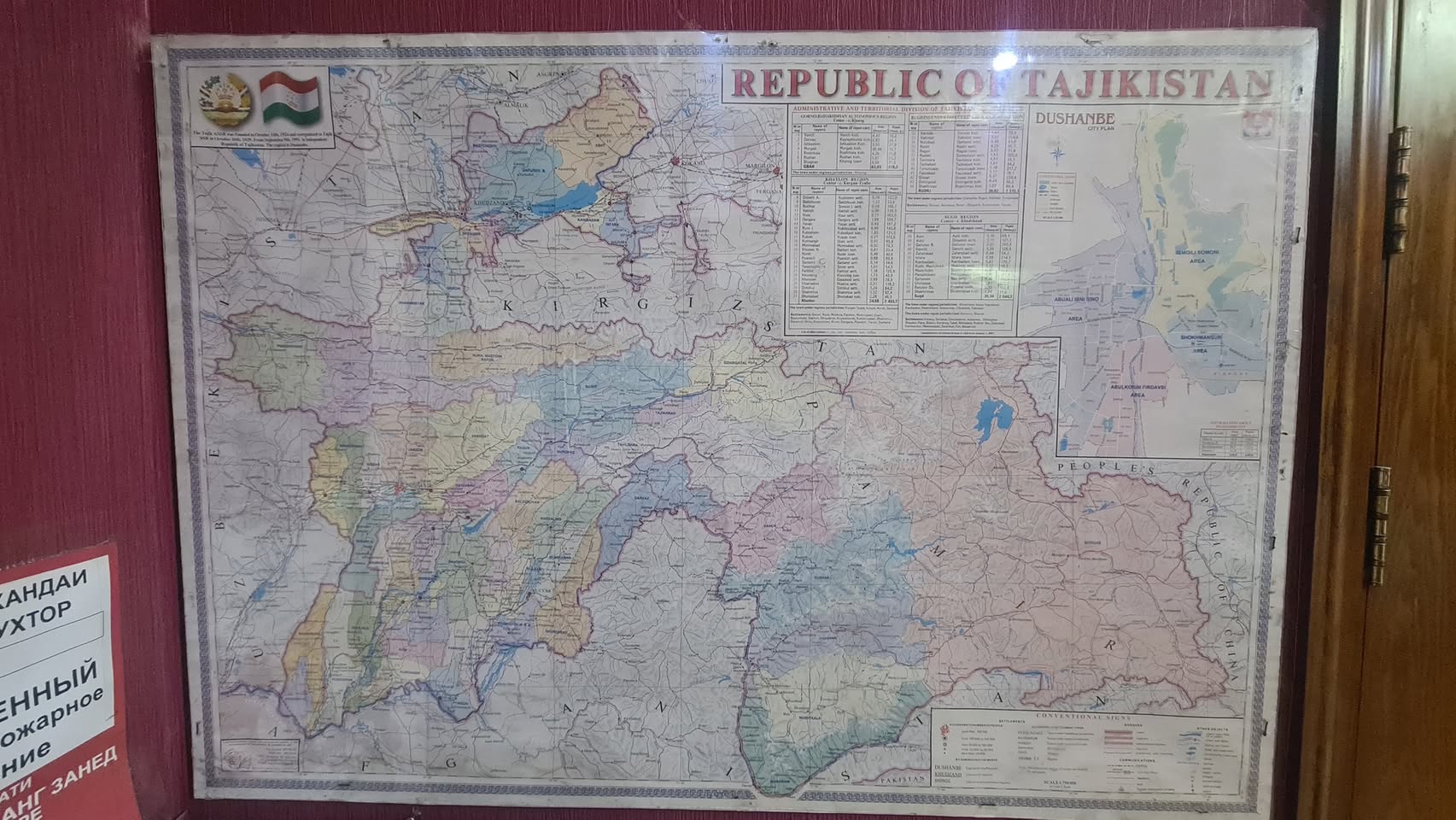
Hello from Dushanbe, the nineteenth stop on the trip. Tajikistan is now my 74th visited country. Dushanbe, or ‘Monday’ in Tajik from its historic Monday trader’s market, is the capital and largest city in Tajikistan. A big surprise to me is that Tajikistan is technically the most mountainous country in the world – 93% of its surface is covered by towering mountain ranges, earning it the nickname “Roof of the World.” As you can imagine, this puts a massive crimp in any form of transportation. Roads must wind their way through rare passes in the backbones of the ranges, but now some tunnel projects are expanding the road network with better flow for cars and trucks. The path I took to get from Samarkand to Dushanbe followed a highway directly east, then cut south – check out the map. This road is impossible to put into words, but I’ll try: Imagine trying to drive to the peak of Mt. Everest in a packed minivan while surrounded by a pack of NASCAR drivers in huge trucks, around blind corners and through tunnels so long and dark that people have died from asphyxiation. Yes – one of the tunnels is literally called Anzob Tunnel or the âTunnel of Deathâ. There is one train line, focused on freight transport. Only 7% of the land is farmable, leading to mass importation of food and supplies which need to be moved by those trucks, and only when the roads are passable and not shut down due to landslides or ice or blizzards. Many villages are literally cut off from civilization for months on end. Due to these limitations, I consider Dushanbe a dead-end – I’ve luckily made my way as far as I can into the country, with challenging access from Samarkand, but I’m not going any further because I just can’t. From here I’ll take a flight over the mountains to Almaty in far-eastern Kazakhstan so I can continue my journey east.
Your standard country summary:
– Cool Ranch Doritos: No. This is, like, a bummer man!
– Spain & Wise Debit Cards Work: Yes
– Airalo Worldwide Telephone/Data/SMS eSIM Works: NO!
– VPN Works: Yes
– Cost of Living: $
– Currency: USD $1 ~ 9.28 Somoni, Euro â¬1 ~ 10.73 Somoni
– English Language Issues: Only in major hotels in Dushanbe, limited or non-existent elsewhere
– Language: Tajik is the official language, a variety of Persian/Farsi written in the Cyrillic script and spoken by 80â85% of the population. Russian is also still widely used
– Government: Tajikistan operates as a presidential republic under the authoritarian rule of President Emomali Rahmon, who has dominated the country’s politics since 1994, securing his fifth consecutive term in the 2020 election with over 90% of the vote amid widespread international criticism for lacking fairness and transparency. Rahmon’s son Rustam Emomali is positioned as a likely heir. The regime enforces severe restrictions on opposition, media, and NGOs, leading to the closure of hundreds of organizations in recent years, and faces ongoing accusations of human rights abuses, including transnational repression, torture, and enforced disappearances of critics, as documented by Human Rights Watch and Freedom House. Yikes.
Your Short History Lesson:
Tajikistanâs history stretches back to ancient times, thriving as a Silk Road crossroads with Persian, Greek, and Kushan influences by the 5th century BCE. Conquered by Arabs in the 8th century, it embraced Islam and later flourished under the Samanid Empire in the 9thâ10th centuries. Russian colonization in the 19th century turned it into a cotton-rich frontier as with Uzbekistan, formalized as the Tajik SSR in 1929 under Soviet rule, marked by forced collectivization and industrialization. Independence in 1991 sparked a brutal civil war from 1992 to 1997 between Islamists, communists, and regional clans, killing tens of thousands, until Emomali Rahmonâs regime consolidated power.
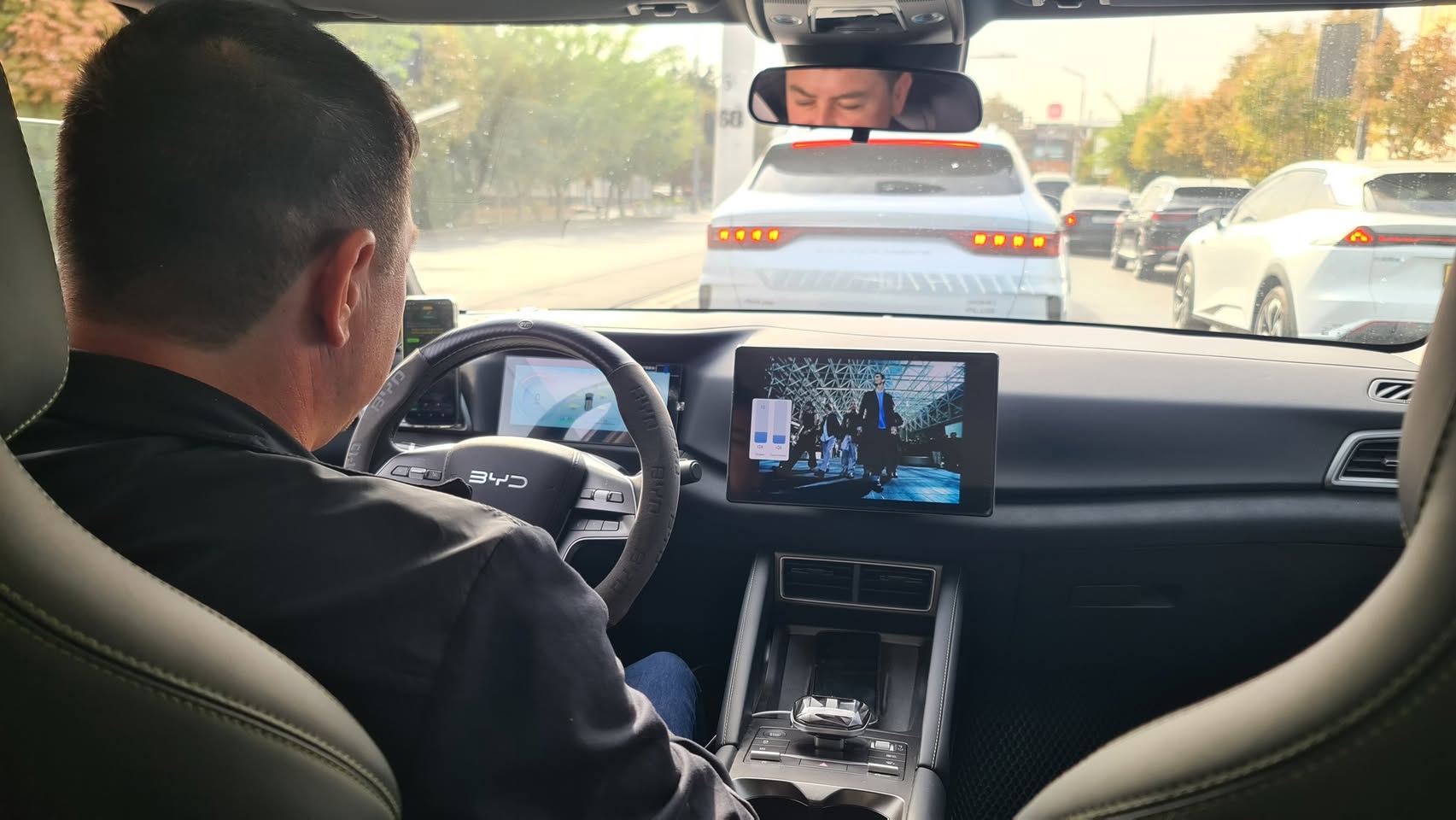
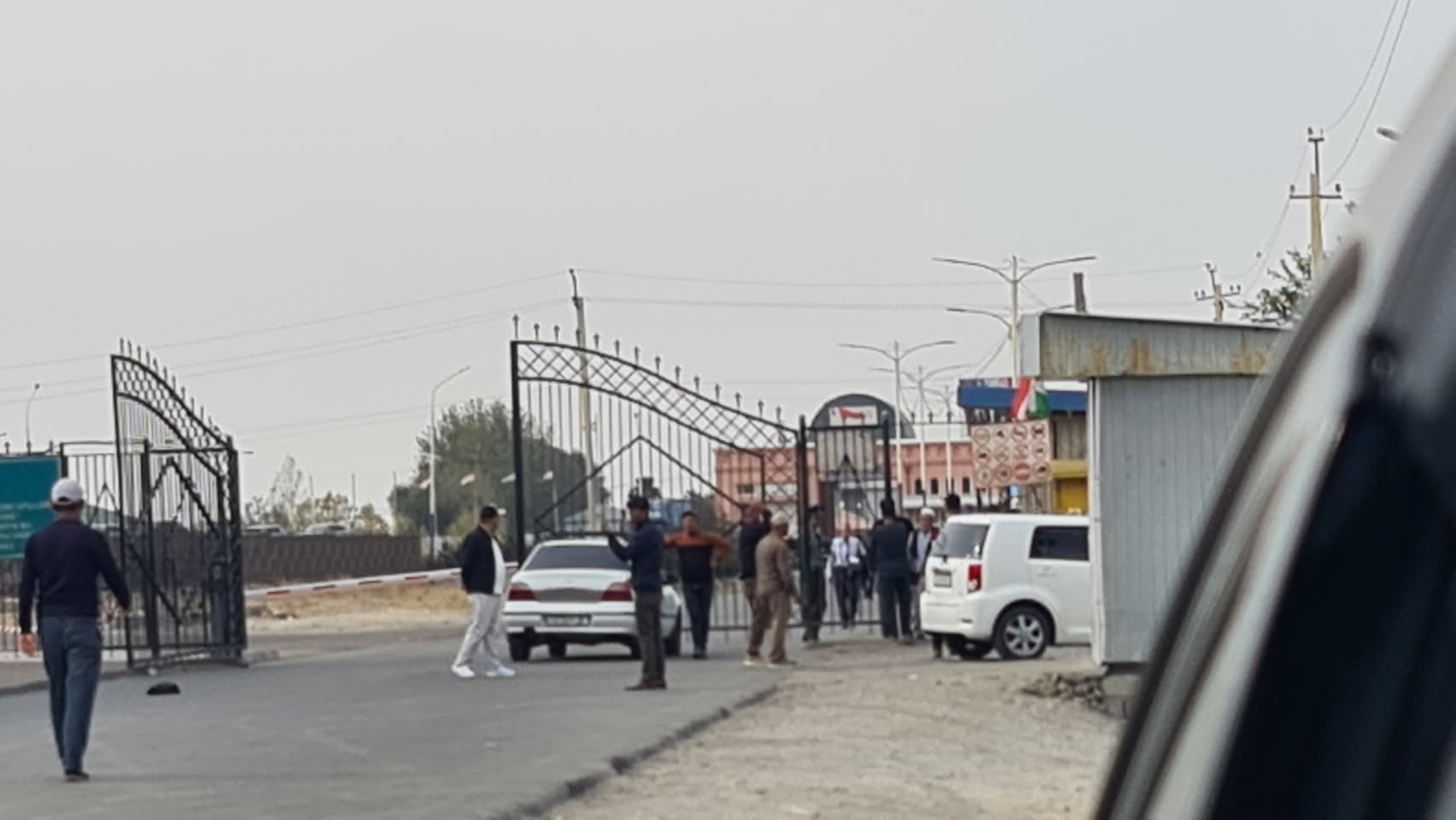
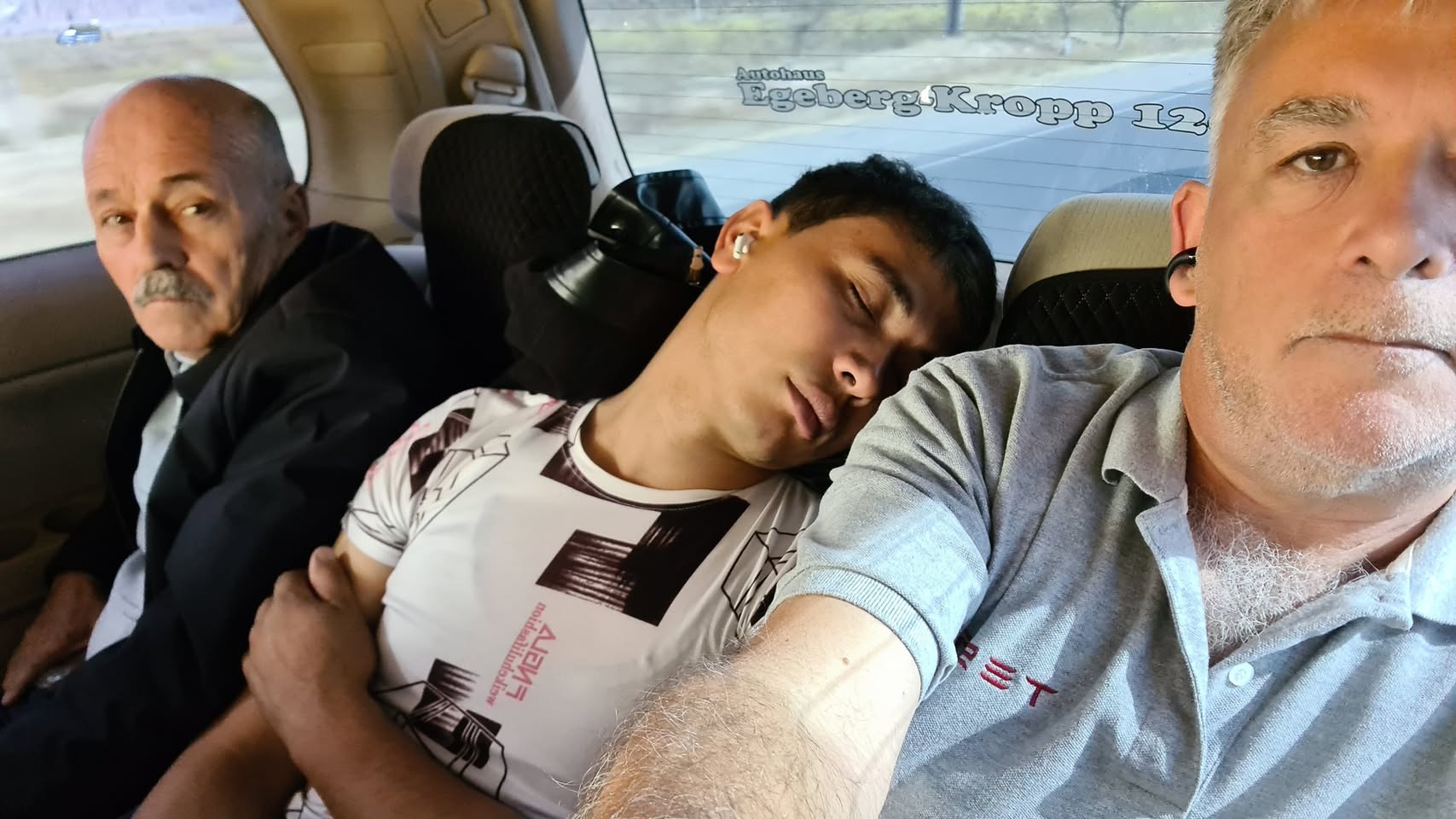
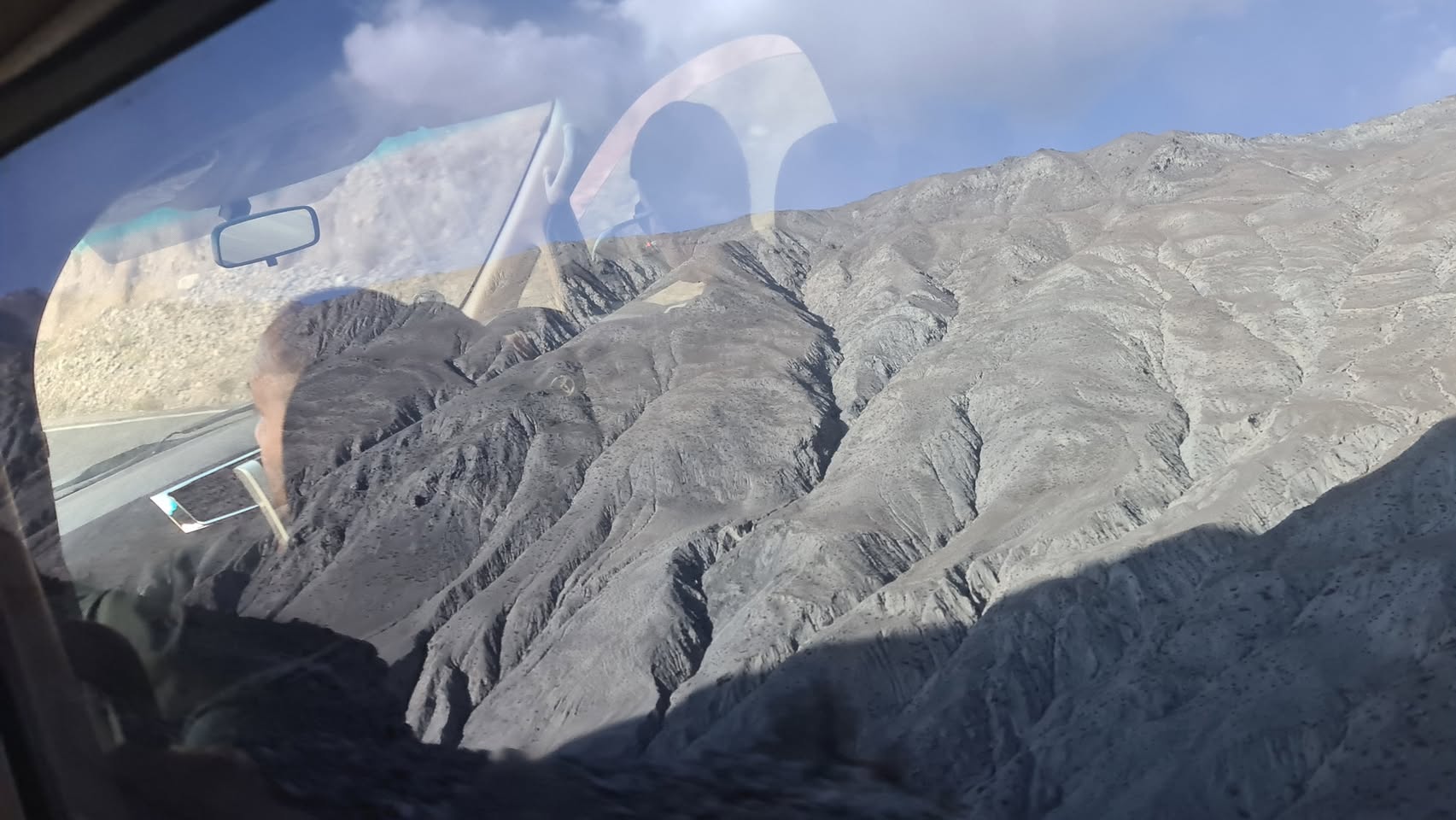
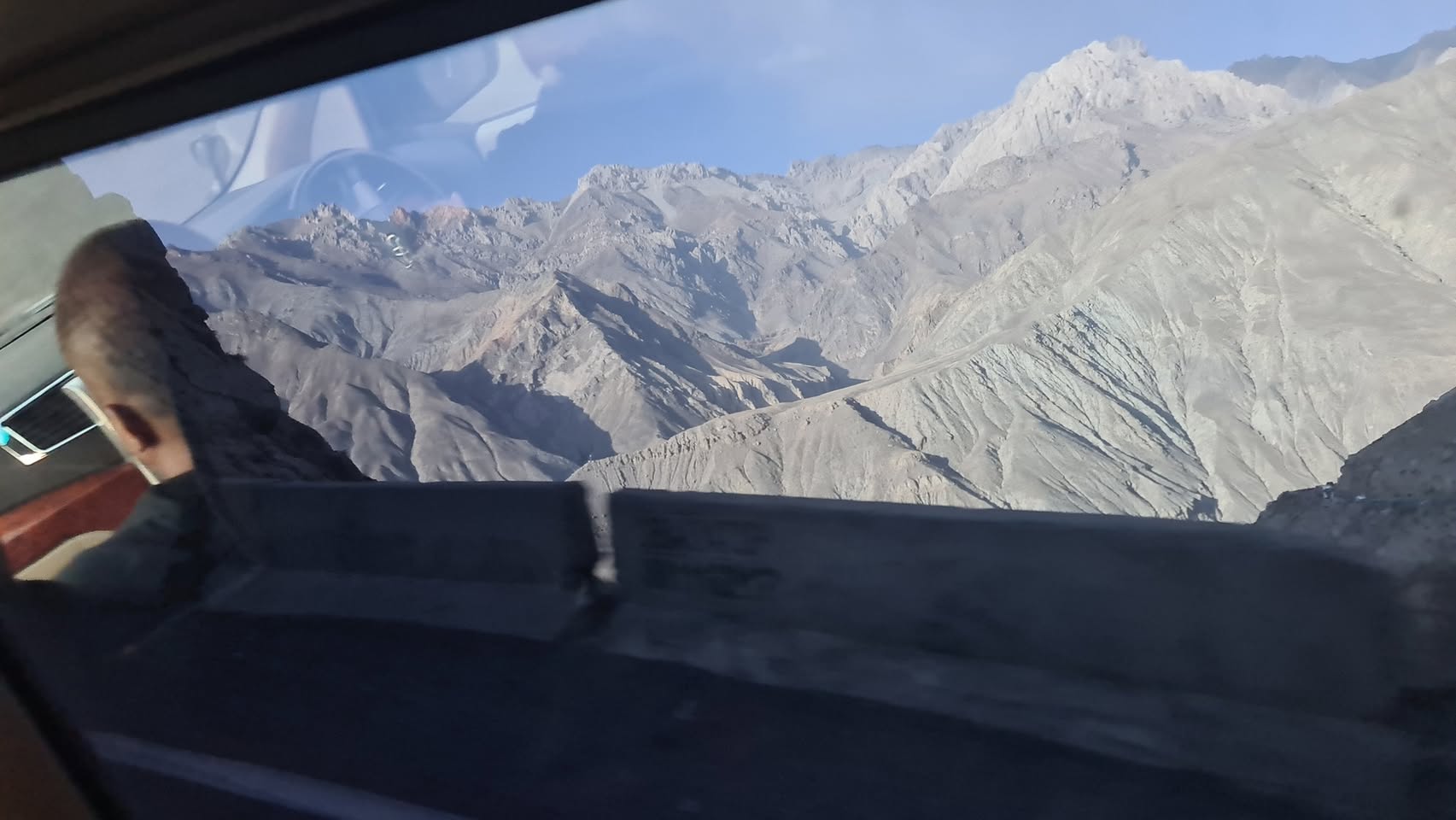
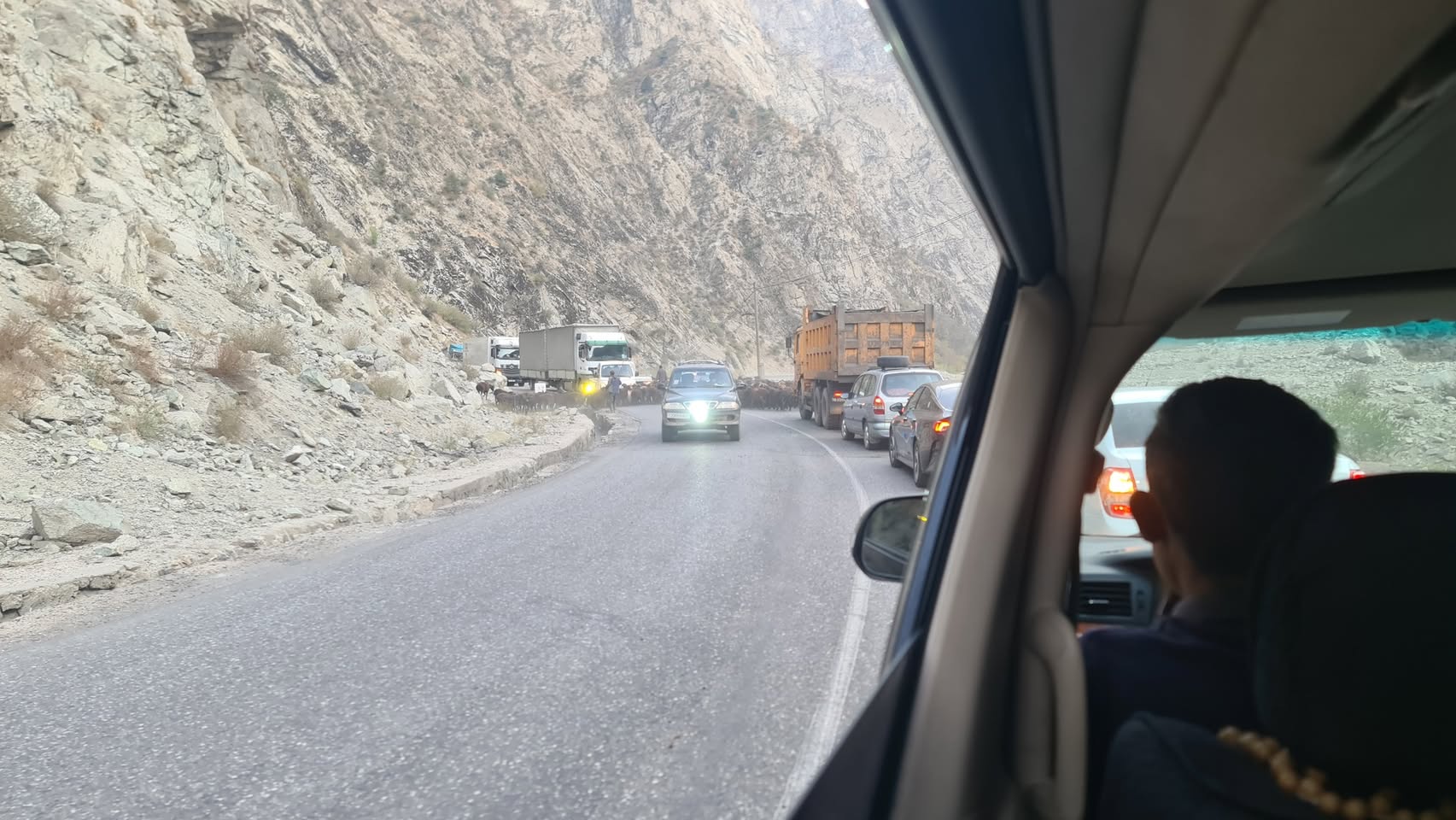
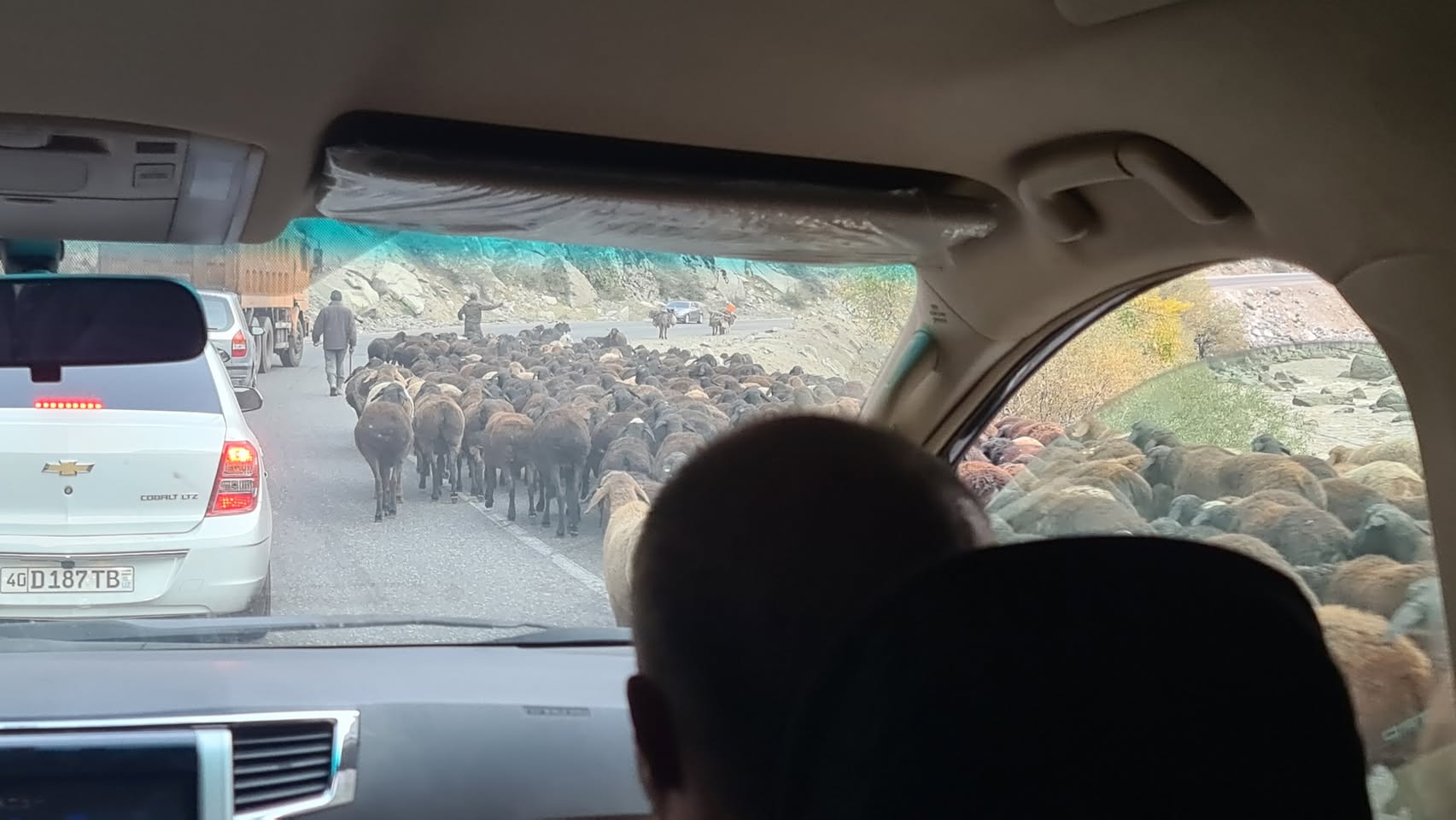
Packed and checked out of the hotel in Samarkand. The front desk lady booked a Zandex Go for me, a new BYD electric car, all the way to the border. The driver had good English and asked if I wanted English music, so he put on the Backstreet Boys on his dashboard screen. A long drive east on bad roads to the border cost me 174,000 or $14. 2 Brits in line before me to stamp out, fast with no questions. A yawning guy waved me past the X-Ray machine. Walked across no-mans land, 3 in line ahead of me into Tajikistan, again fast with no questions. I changed all my Uzbek money and 50 Euros at a booth at the border, not taking a chance of cards working in this remote country, especially when I need to take a long distance shared taxi to Dushanbe. There were about 50 taxi drivers waiting as I exited the gate. I talked with the Brits about fair pricing as they’ve done this run before, 150 to Dushanbe is fair for 4 in a van. I was the 3rd person in a nice Toyota minivan, waiting for the fourth. We ended up waiting for 45 minutes, and then 4 more people stuffed in so we ended up with 7 passengers. I’m hip to hip 3 across in the back row, with a big local kid in the middle, and he fell asleep and leaned over right onto me! Argh. It smells like cows, but that will be the least of my problems. The road going east was pretty good but then we turned south at Ayni and then up up up the side of a mountain and twisty as a mofo. We went through Shakhristan Pass at an elevation of about 2,751m / 9,025 ft above sea level. Going through the passes means I’m constantly looking up at the looming peaks above us – the highest visible peak is Ismoil Somoni Peak at 7,495m / 24,600 feet! Our driver is insane, passing trucks and cars through blind corners, slamming the brakes when he can’t make it. I’m holding on to the rods of the headrest in front of me as we’re slammed side to side and back and forth. We went through Anzob Tunnel, at a massive 5 kilometers long and filled with dust – I can only see the headlights of vehicles coming towards us – like driving in fog. The views are spectacularly desolate – towering jagged peaks, everything looks like volcanic remnants, above the treeline just grey rocks everywhere. A long downhill run into the city where I was again unceremoniously dumped out at a bus terminal in the north of town.
While searching for a way to get to my hotel, I discovered my global SIM card doesn’t work in this country. Ruh roh. I could see the street of my hotel due to previously downloading offline maps. I walked to a line of taxis, about 5 guys stood around and had to call their buddies to figure out where the hotel is. One guy offers 100, I quickly agree. He’s got a nice Mercedes, slightly less insane driving but on the horn the whole time. My hotel is on a dirt road just one street off a major street with lights and neon and a Hilton.
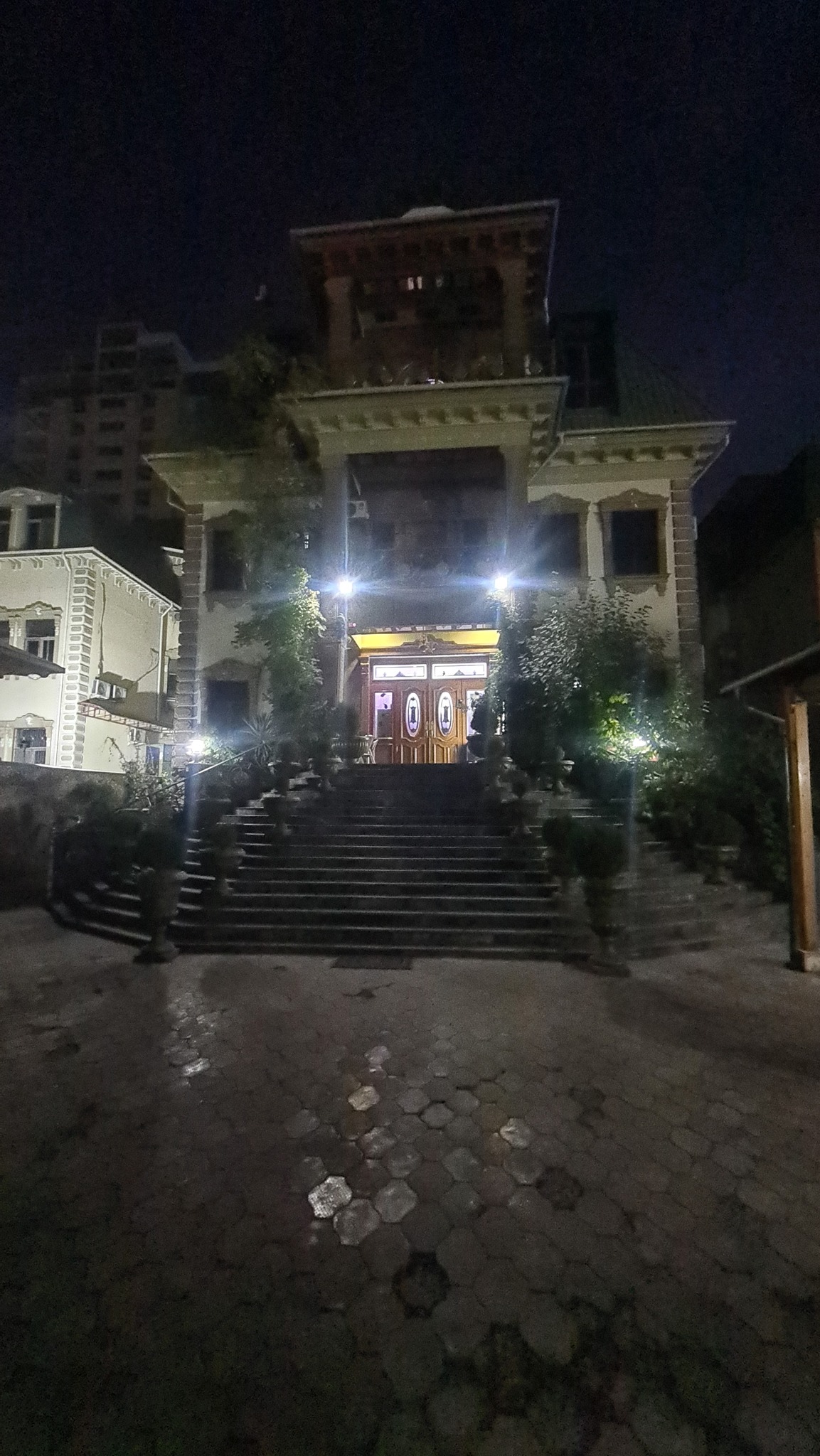
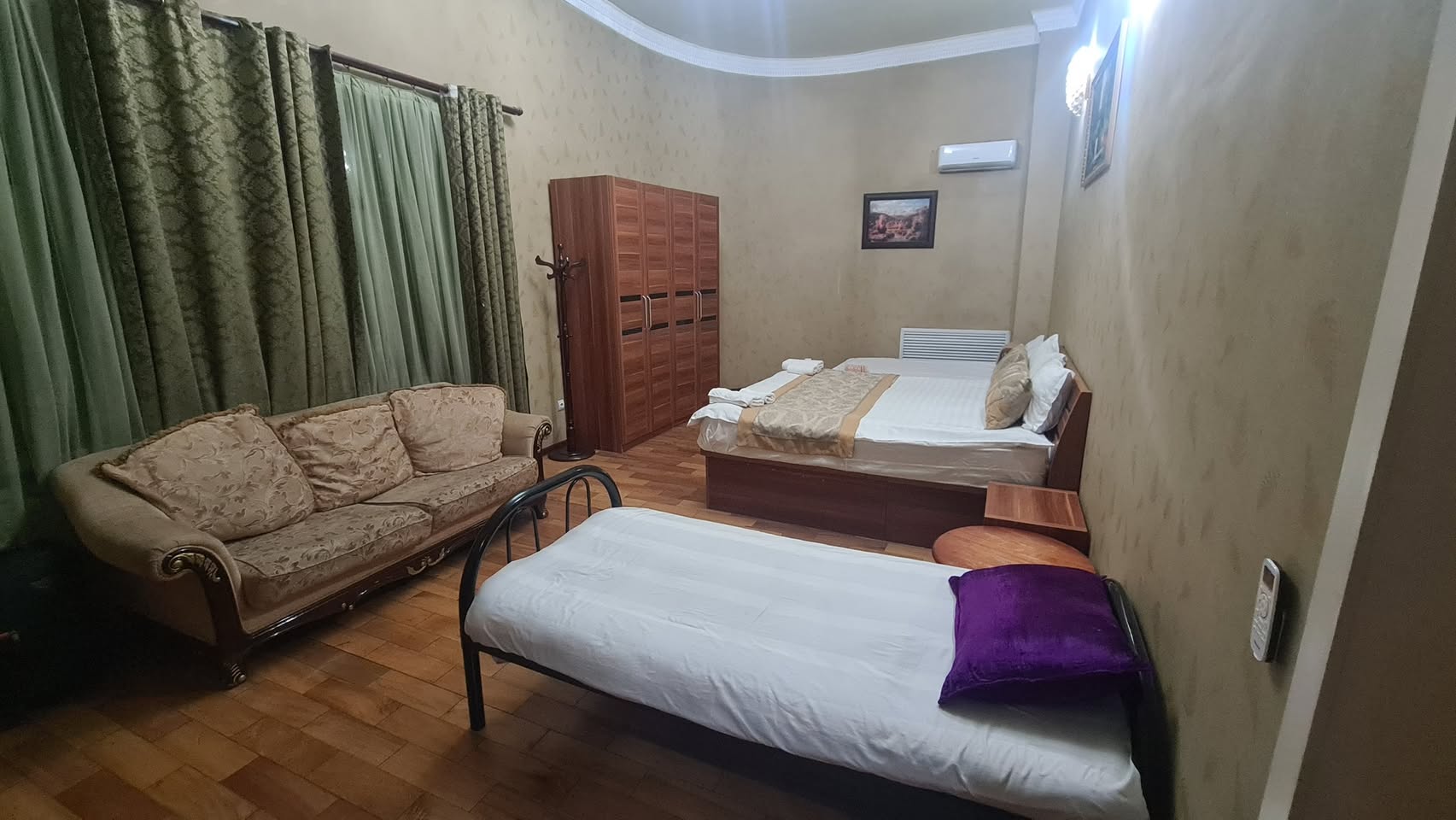
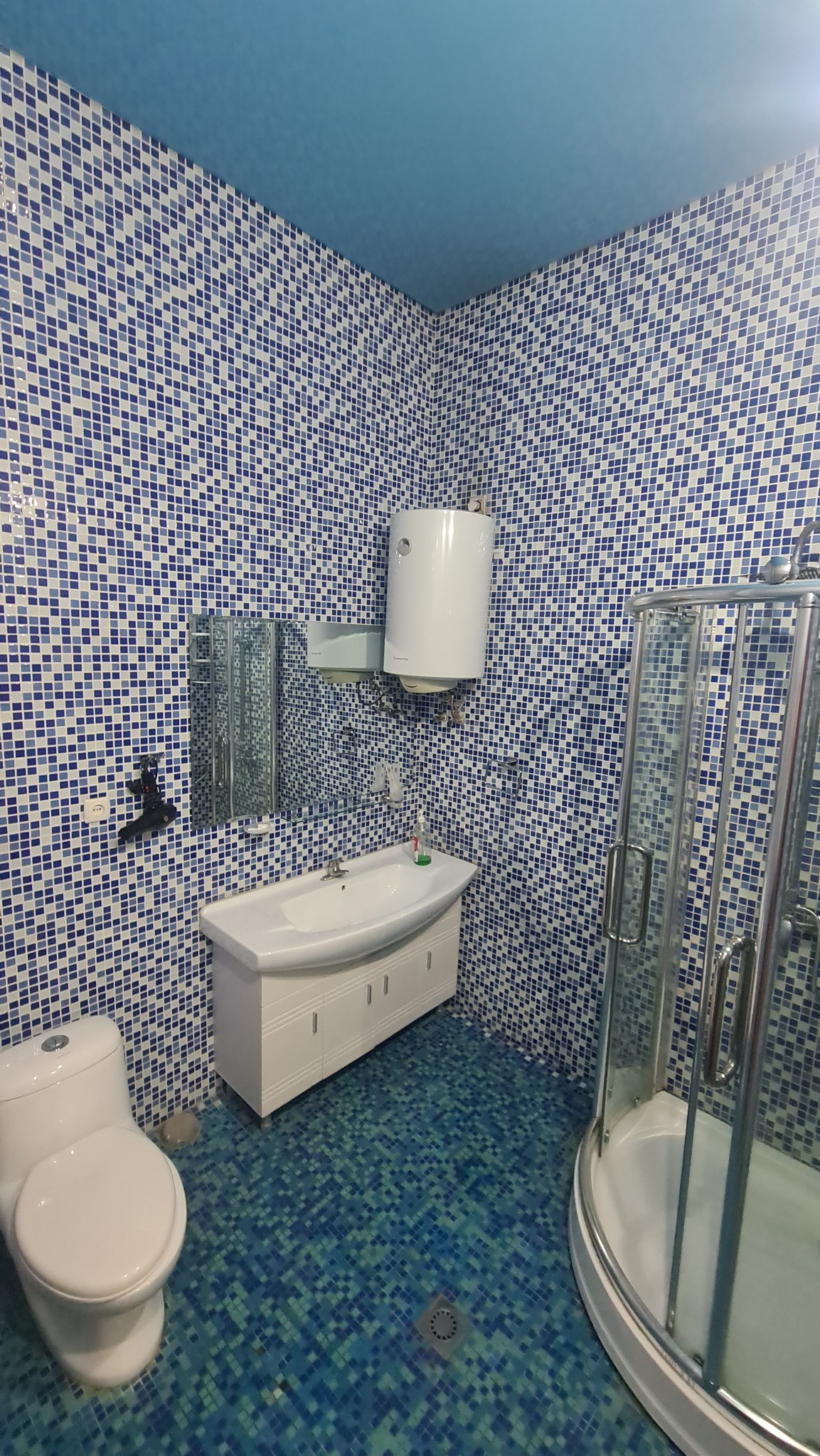
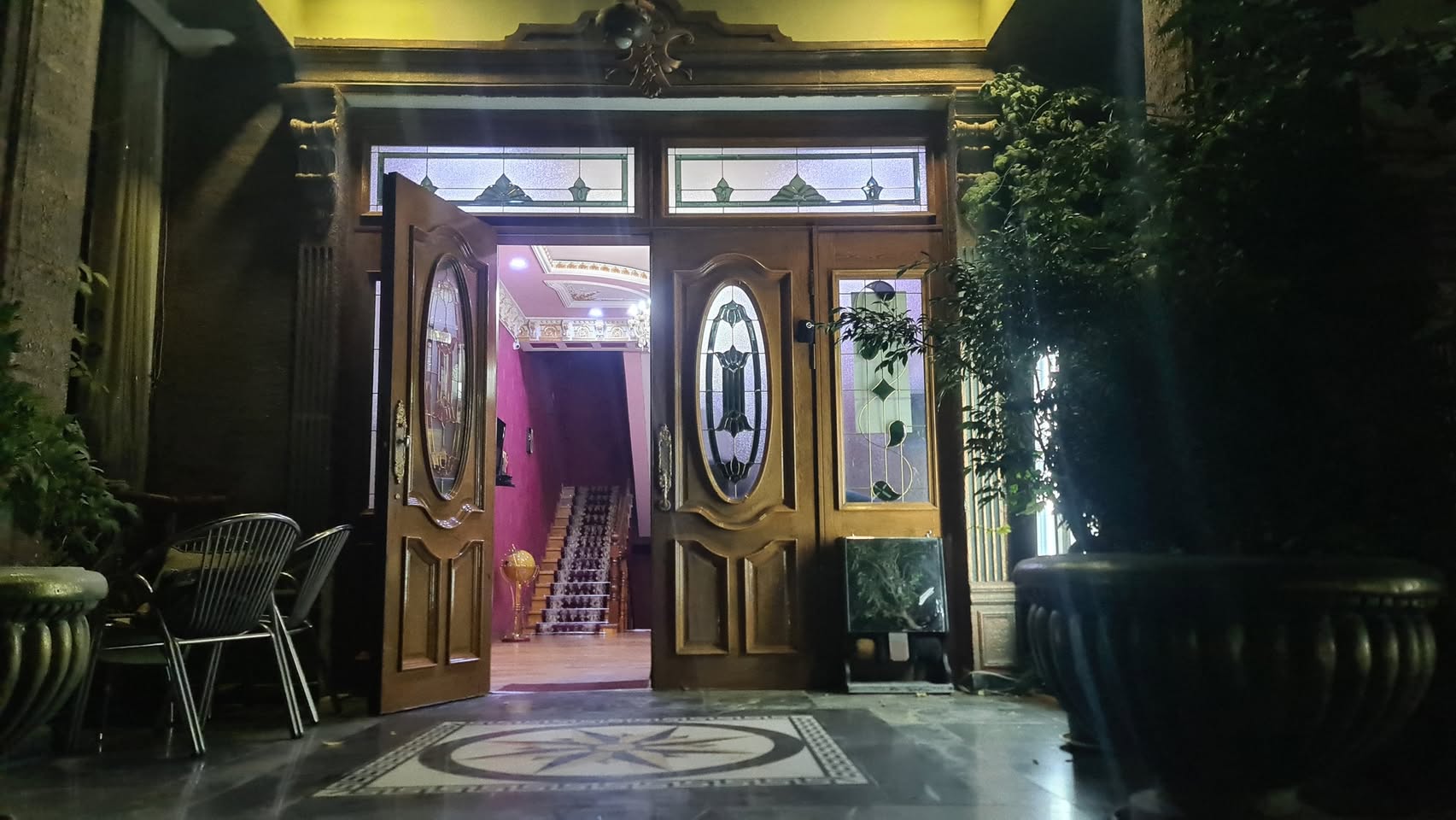
The hotel looks like the Addams Family lives there, or a place to send children with special superhero abilities. It’s not quite English style enough to be Hogwarts, so I’m going with X-Men. My room is huge, 3 beds, a large bathroom and a separate room with a desk and working fridge. Sadly Wifi works OK in the hallway but is completely non-functional in the room.
I cleaned up and walked 5 minutes out to the main road. There are 10 kinds of food within another 5 minutes walk. I saw a Tcell mobile phone network shop but it was closed; I need to decide if I can live without mobile data on my phone for 3 days. Back at the hotel I set up my phone in the hallway under a chair, plugged in a charger and turned on the Wifi hotspot, and the laptop can now access the world from inside my room.
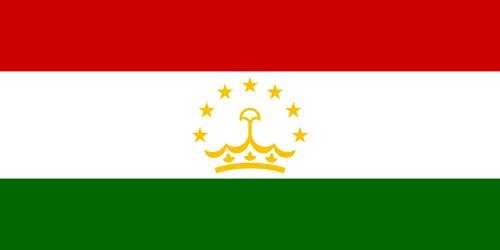
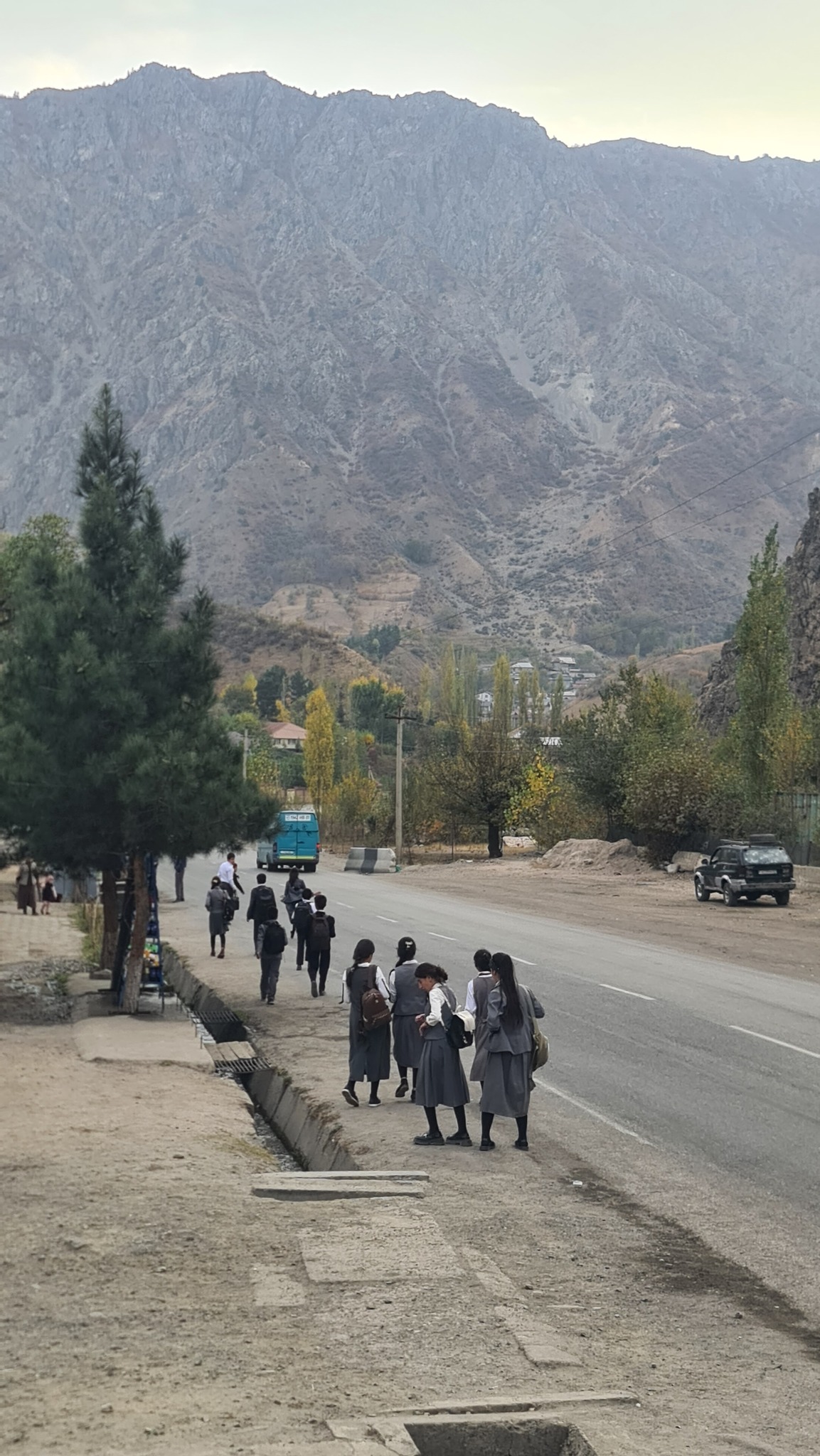
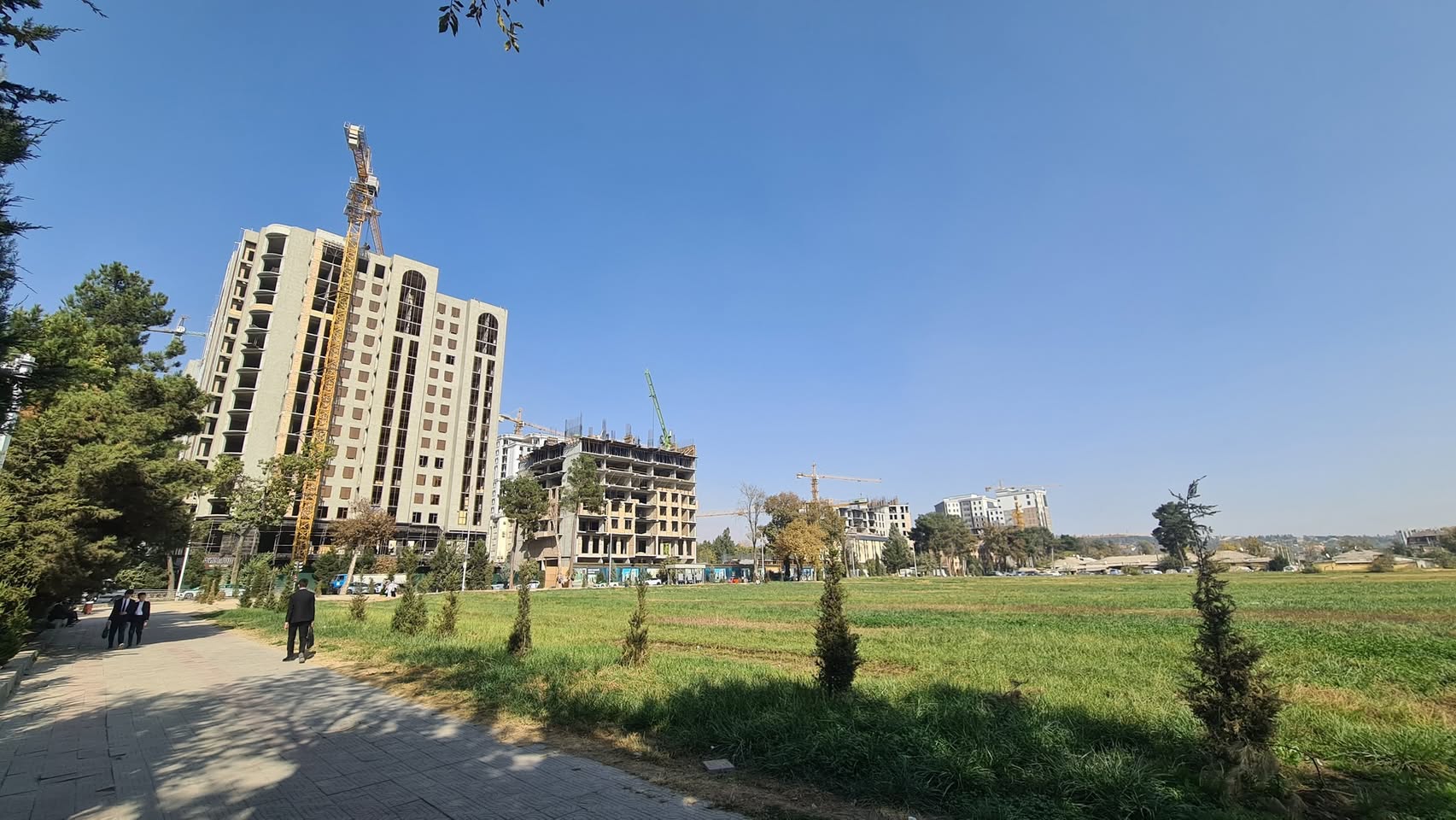
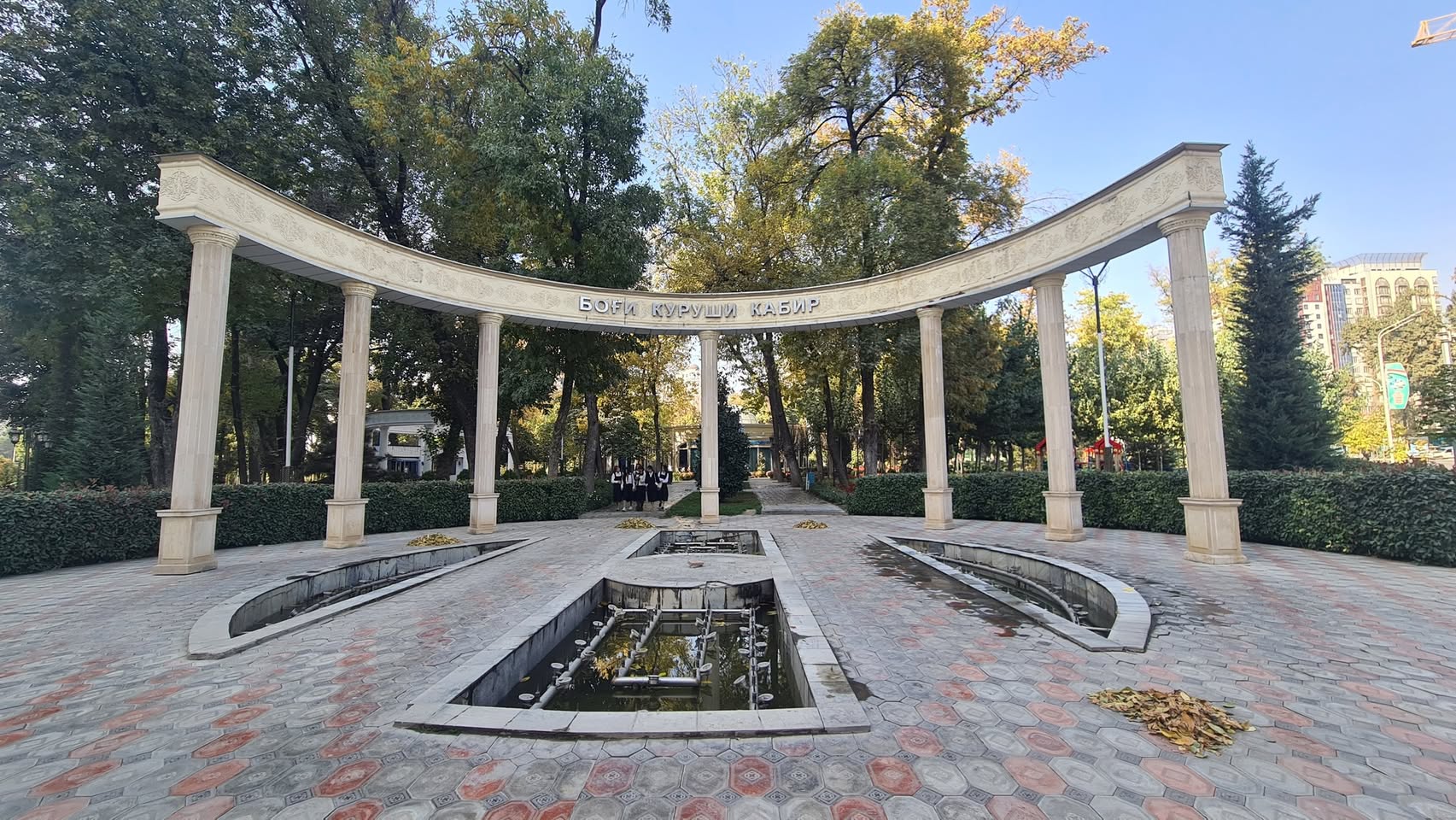
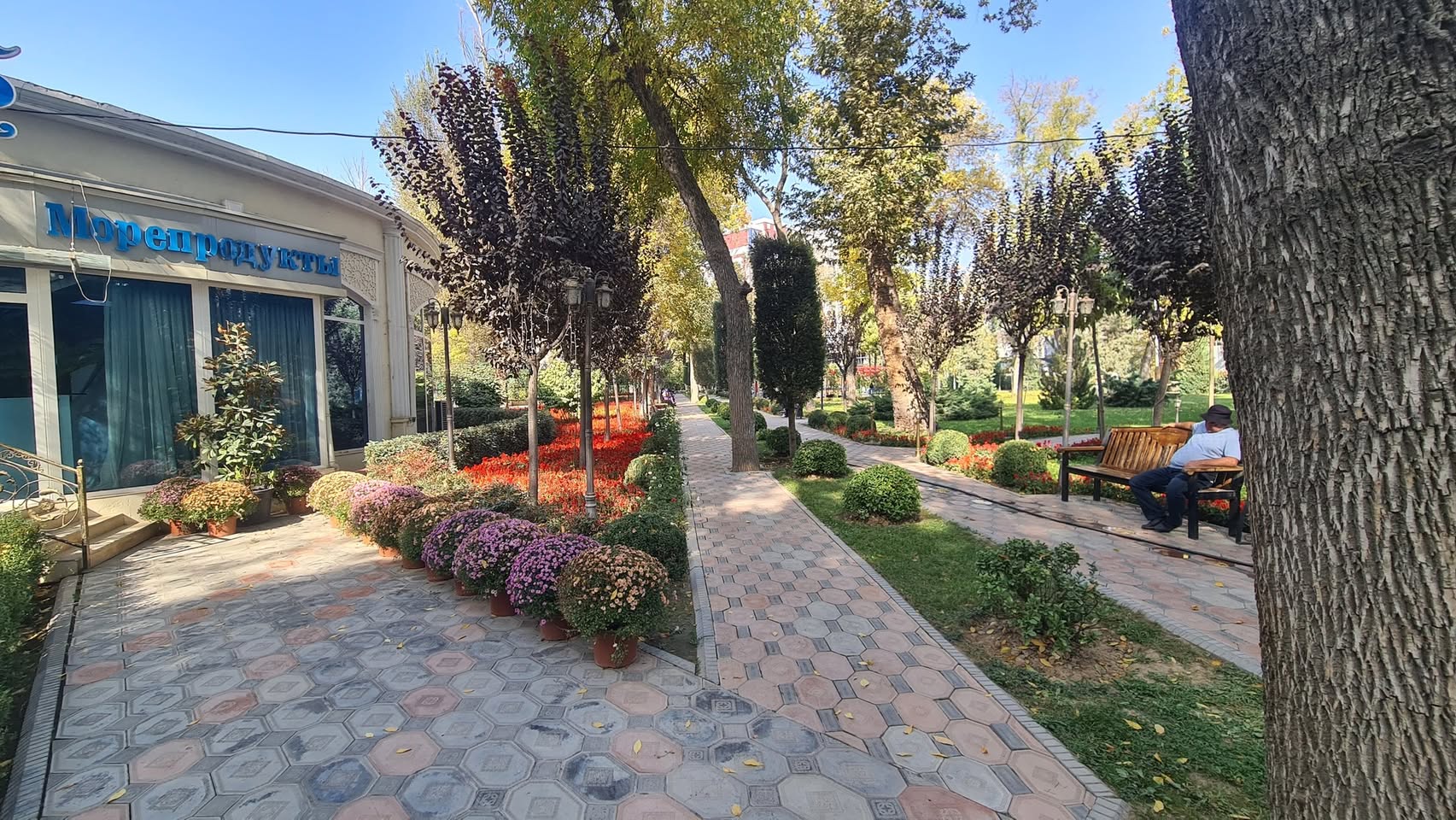
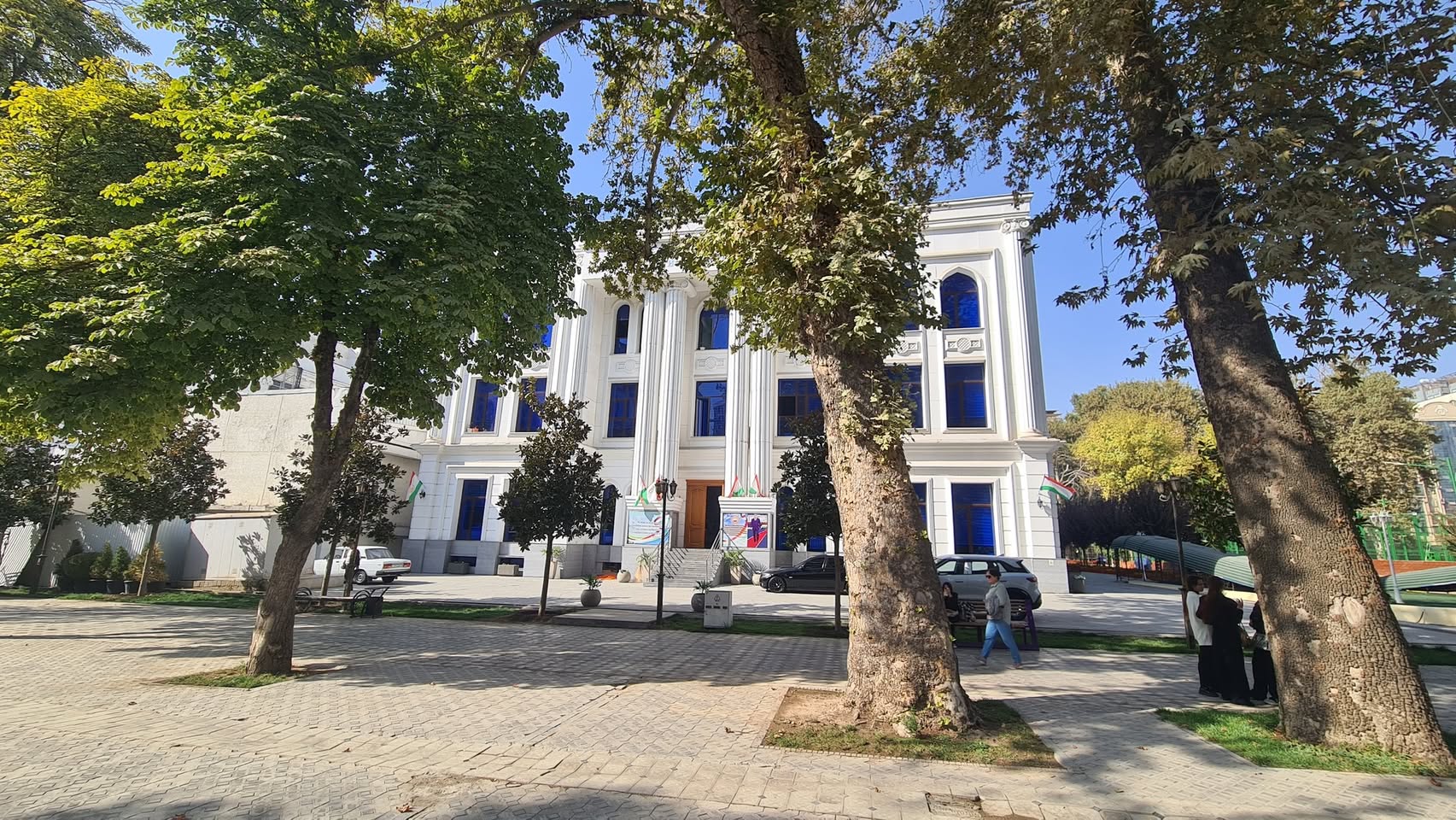
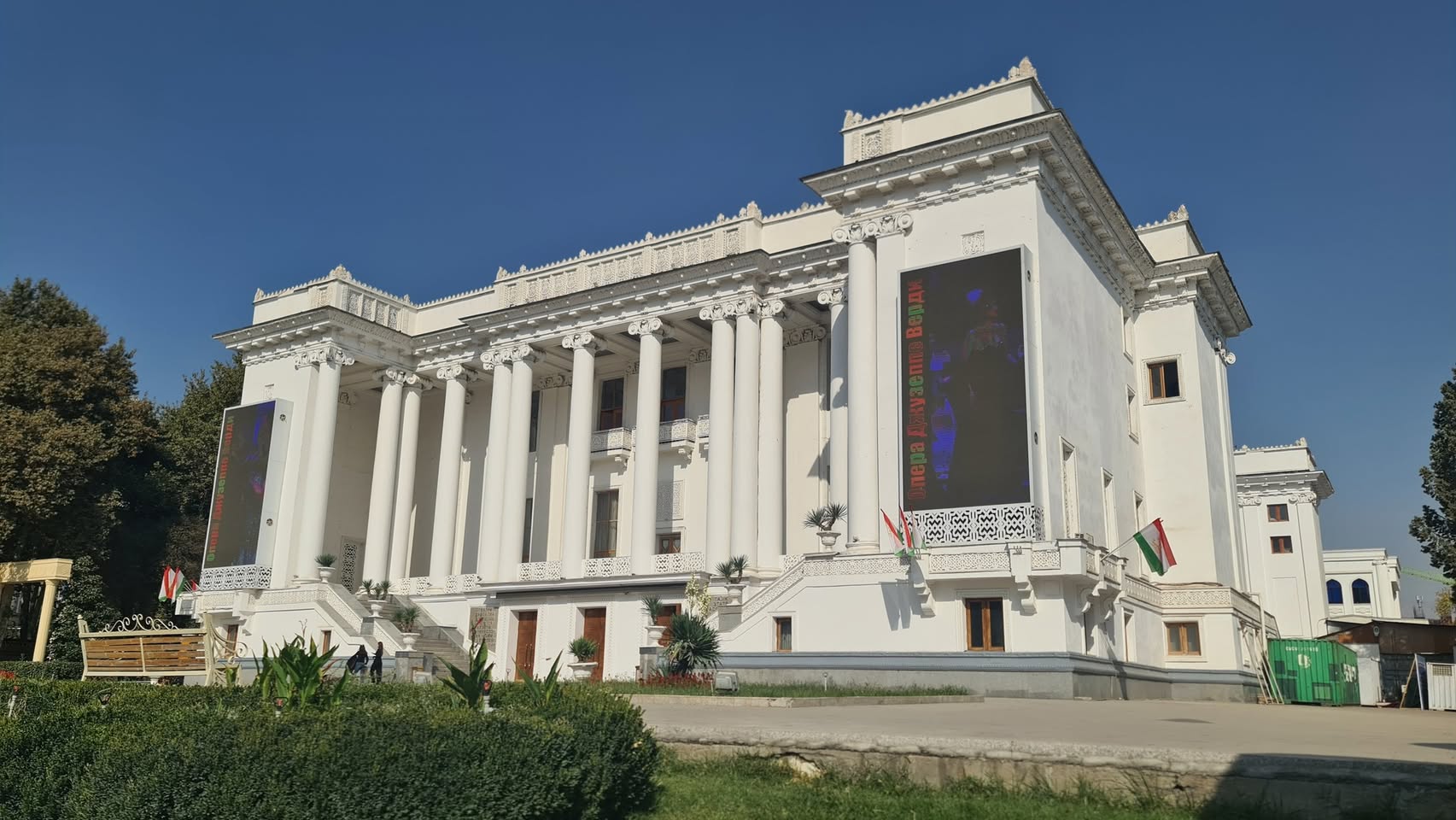
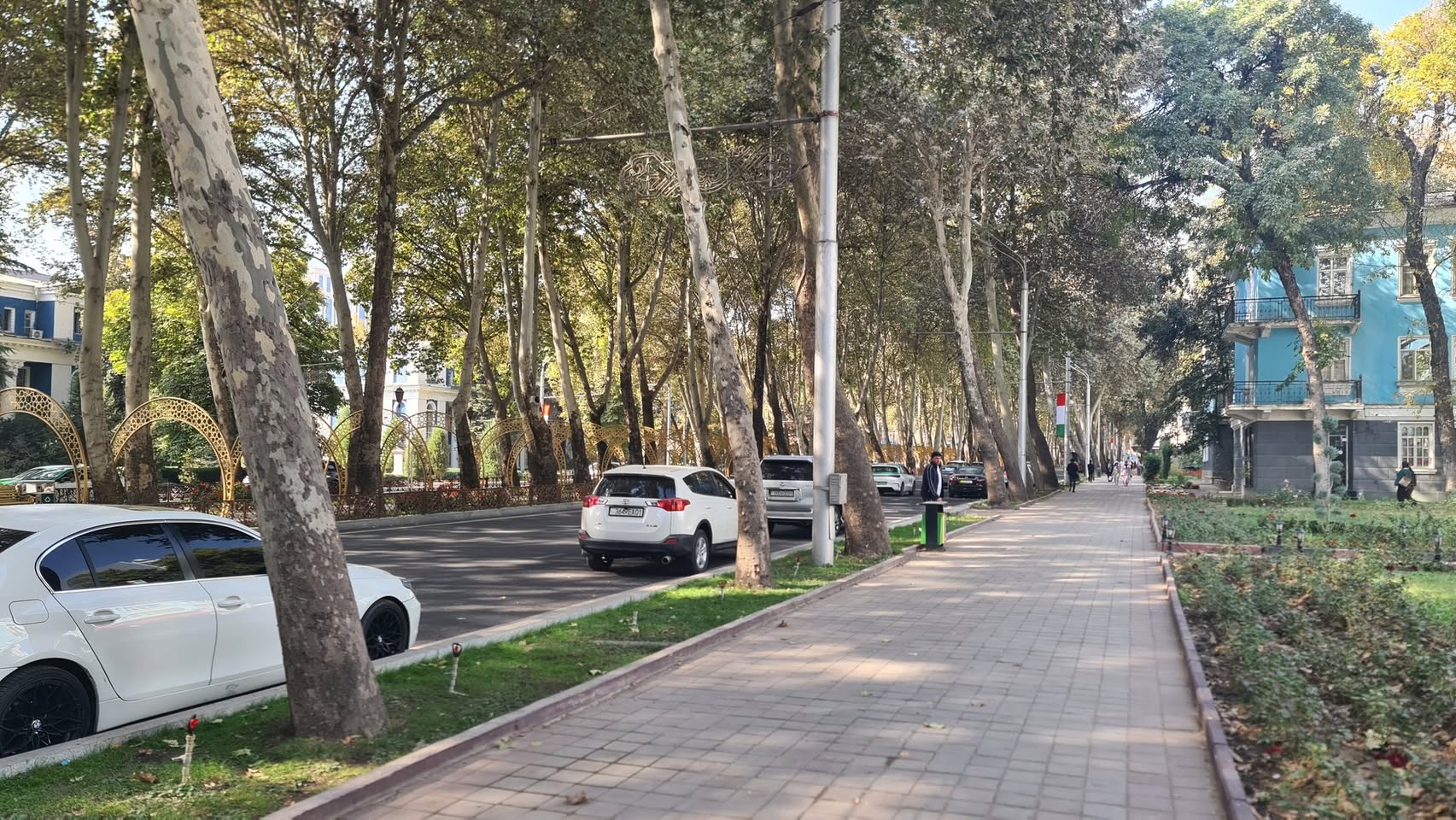
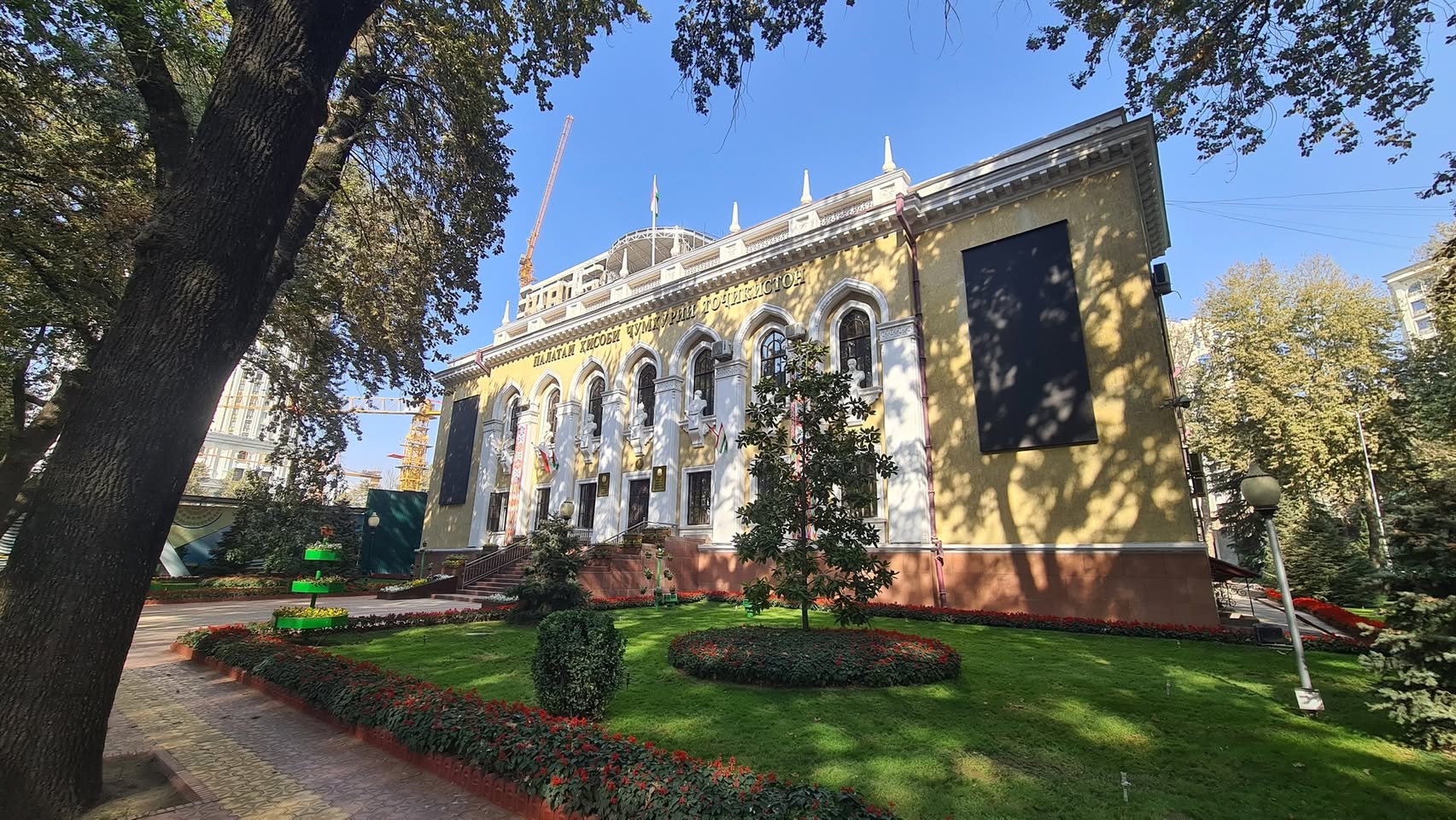
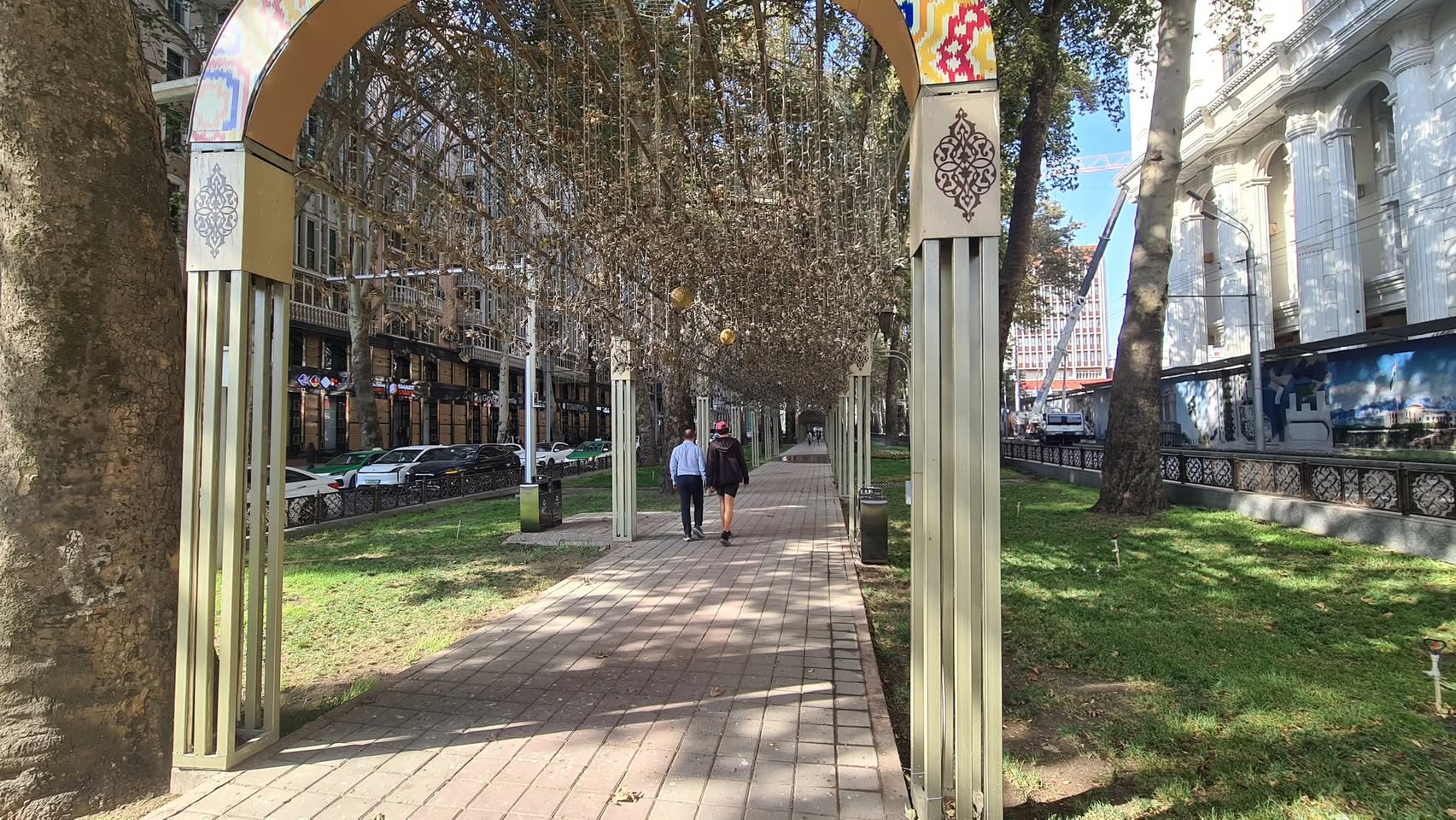
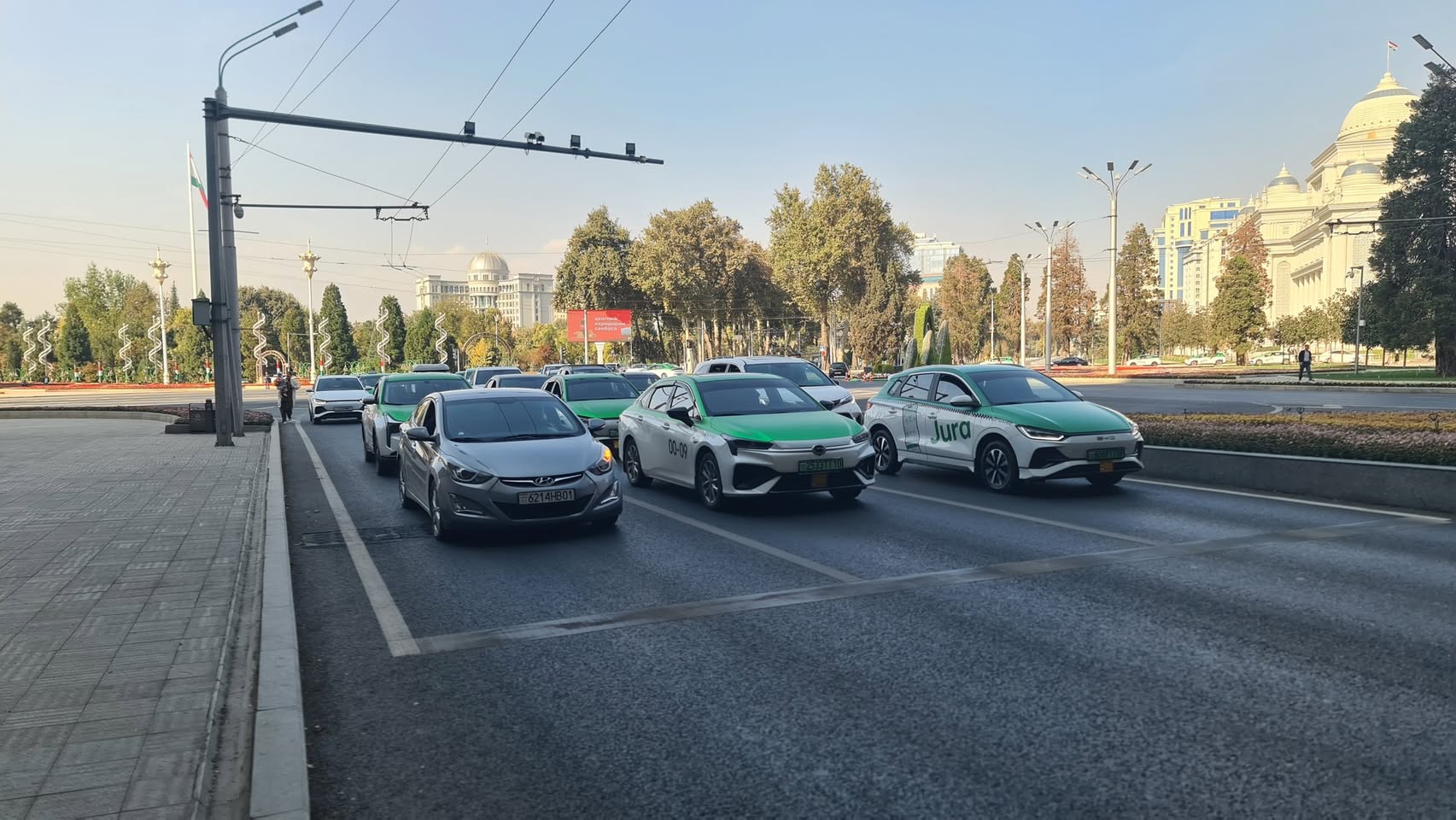
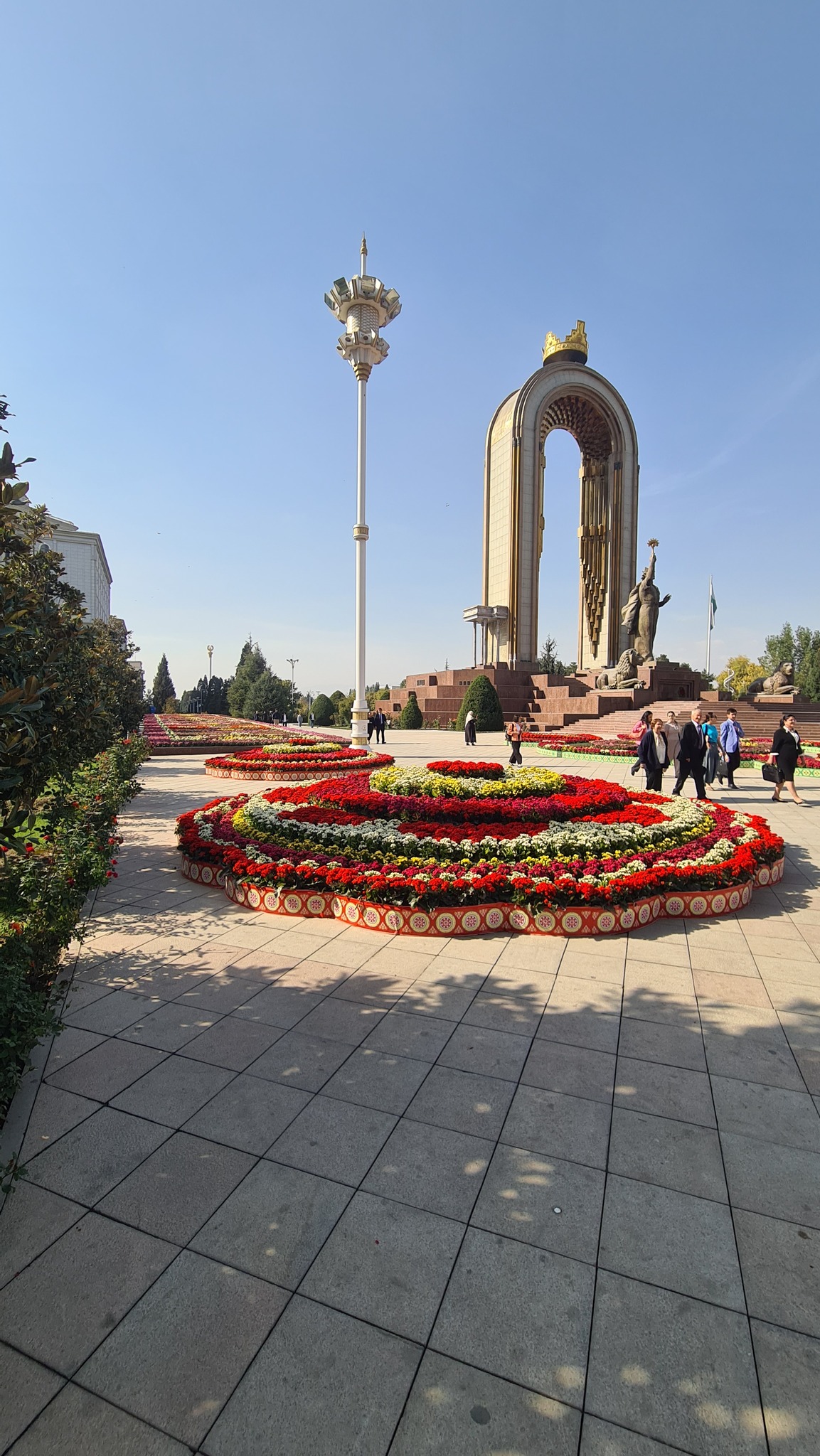
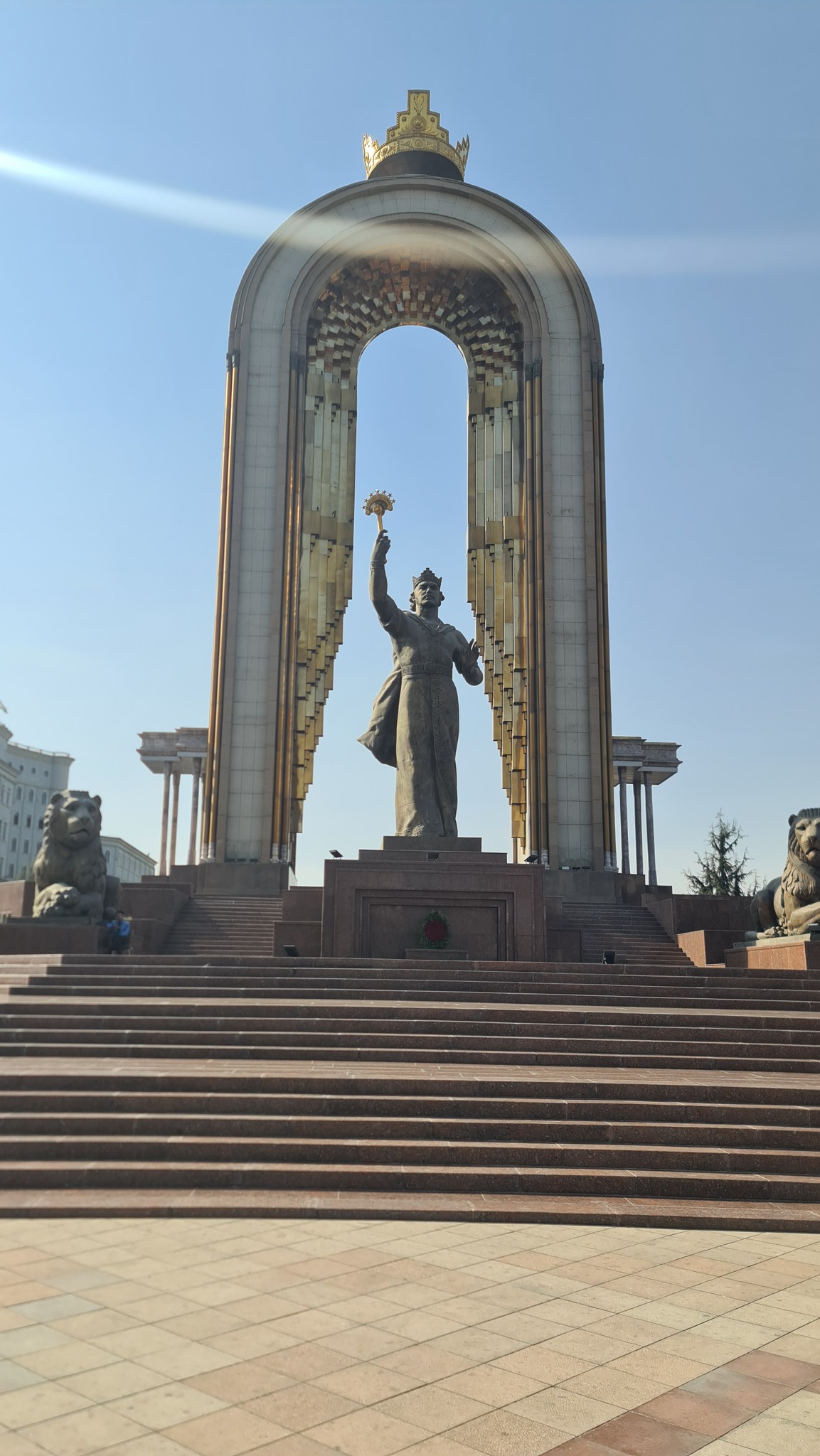
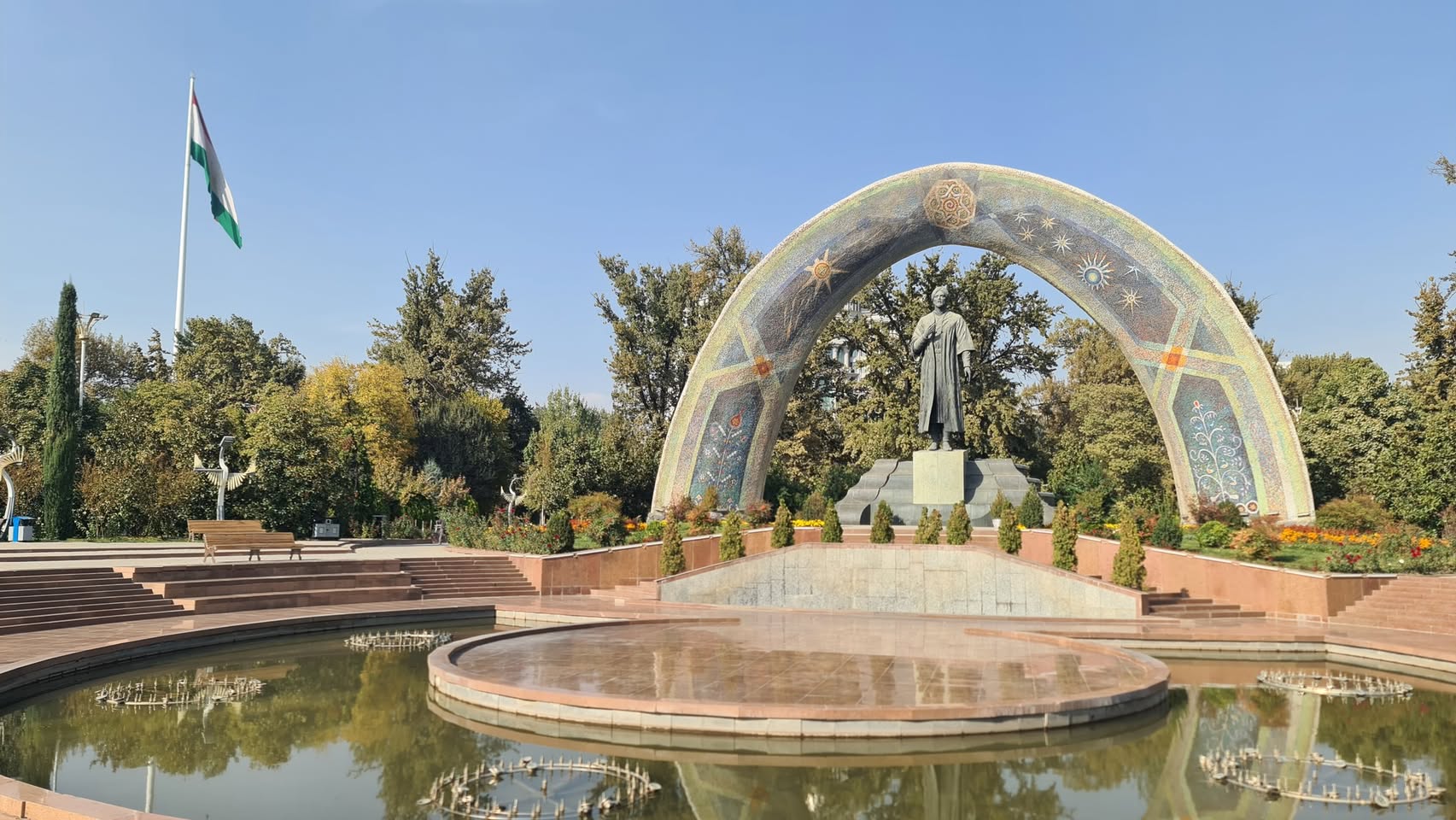
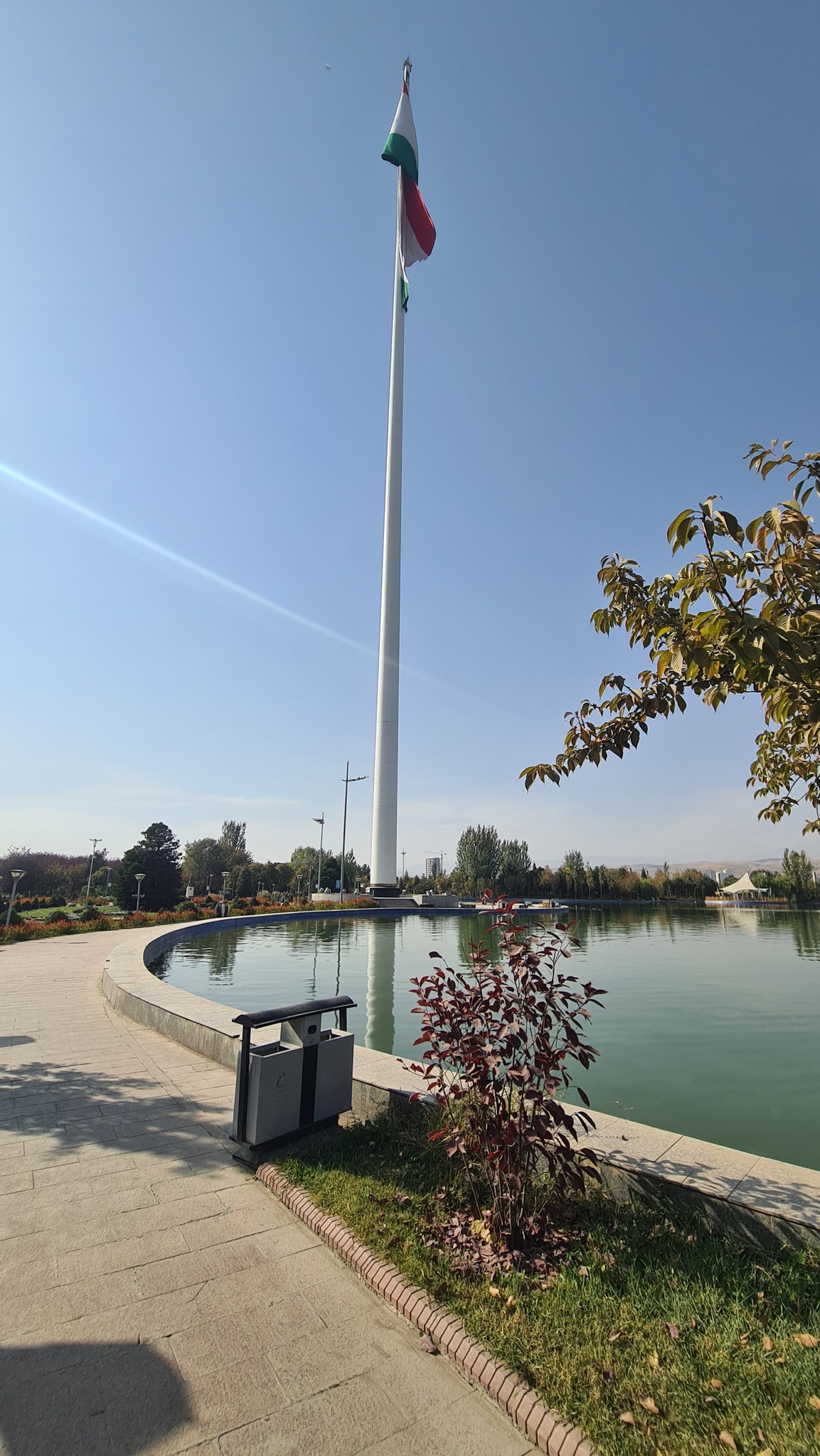
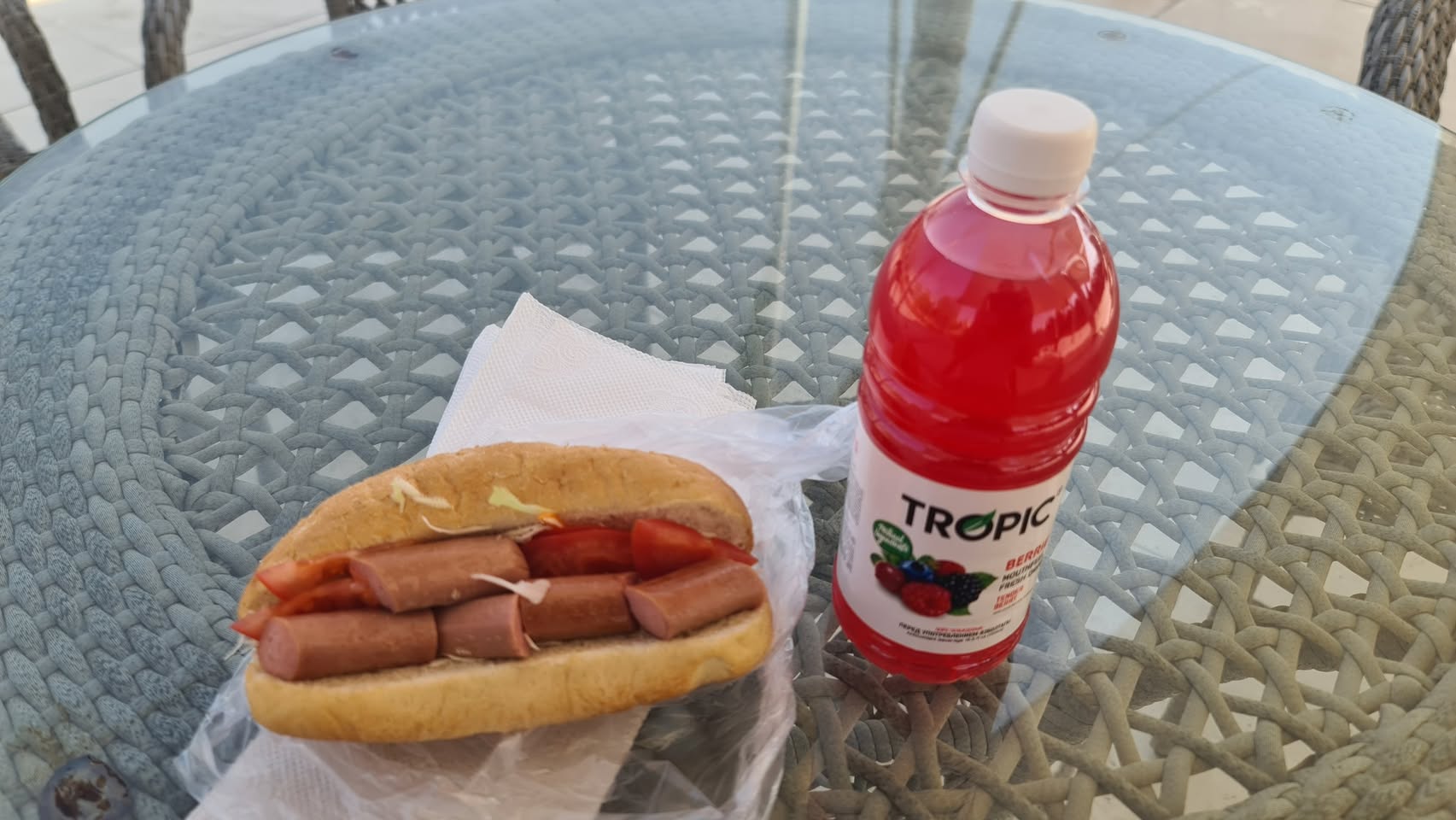
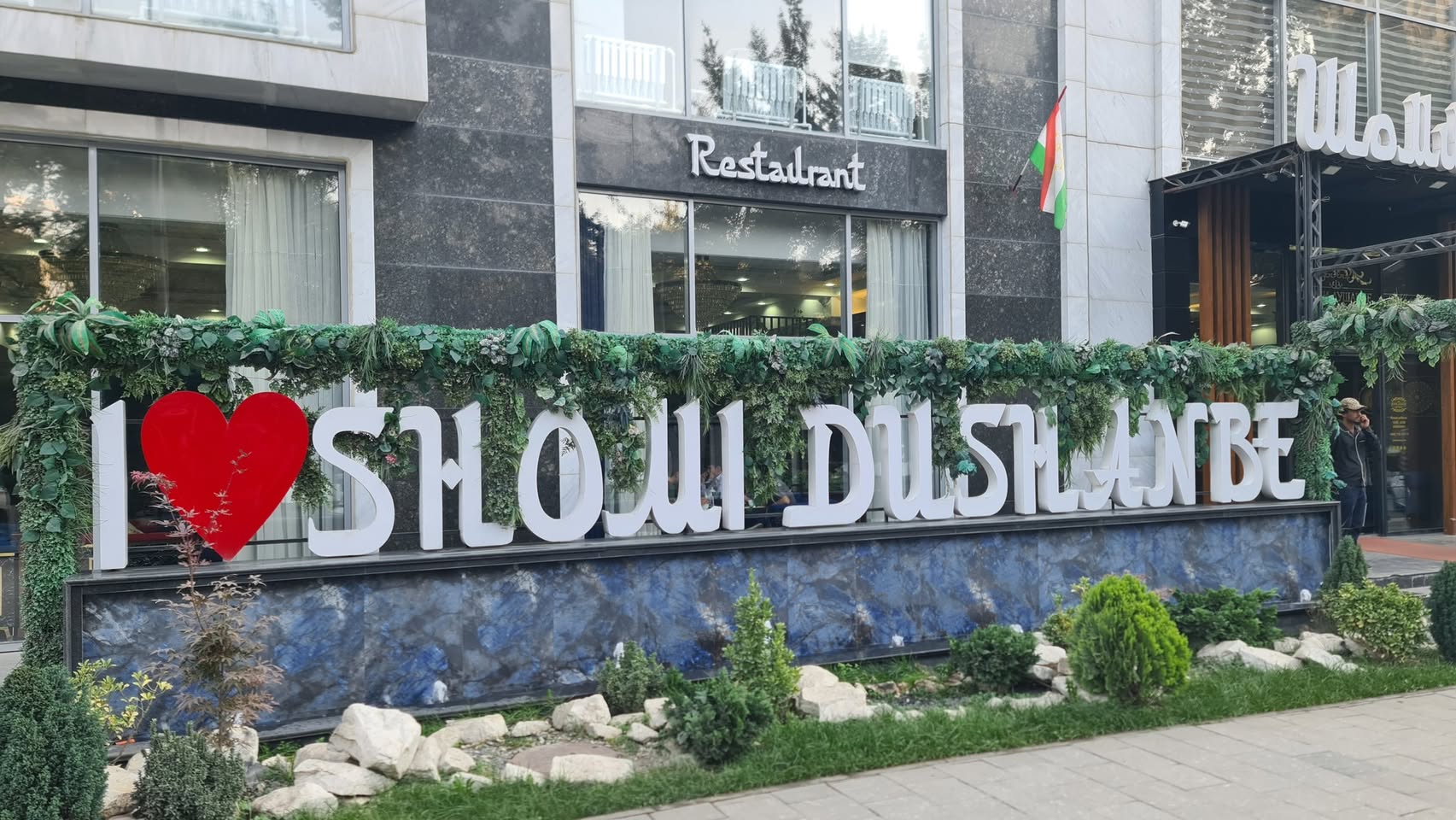
In the morning I checked with Grok for its list of things to do in Dushanbe. I walked out of the hotel and passed a school next door – oh, the superhero kids? At least they’re well-dressed – boys on the playground are in full suit and tie, and a lot of men are dressed formally in the streets too, I feel underdressed! It’s unseasonably warm and bright sunshine but great to spend a day walking. I see lots of new building construction but it seems to be progressing slowly or stalled completely – I wonder if there was a building boom and crash. I passed the Opera house, the Ismoli Simoni monument with beautiful flower gardens. I see Jura electric taxis everywhere and electric catenary buses. I passed Rudaki park, arch and statue and flag. I had a hot dog with coleslaw and tomatoes at the Flagpole cafe. Weird but OK. I passed the National Museum of Tajikistan City but didn’t go in, just too shagged out. I’ve noticed that the entire city is covered in a thick layer of dust – it really needs a good washing from a strong rainstorm. There are lots of plastic surgery and IVF clinics, it must be a medical tourism center for people in central Asia. Inside the Dushanbe shopping mall I bought a Wifi booster – cash only 280. As with Samarkand, there are a lot of US visa lottery booths, I wonder if these countries have some higher quota or the quota is just not being filled? Plugged in the Wifi booster back in the hotel hallway and everything is working nicely.
The next morning I discovered the source of the dust problem: Weather Underground says lots of smoke in the air, unhealthy levels. Dushanbe ranks among Central Asia’s most polluted capitals, with PM2.5 levels 7-10 times WHO limits in fall & winter. It’s hazy but not wildfire smoke – more urban smog due to diesel truck emissions, coal power plans and dust from uncovered soils. Yikes. Walked out to the main street for early dinner, had a burger and large Fanta via Google translate, 50 cash only. Bought snacks for the plane tomorrow, they had to go in the back and find the only guy who knows how to run the Visa machine. The hotel is also a cash-only operation so I tried to withdraw from an ATM but I didn’t have enough on my Wise card, and no way to top it up without mobile data, urgh. Luckily the guy running the currency exchange at the bank next to the ATM put me on his iPhone hotspot. Topped up and got the funds out of the ATM – whew! Paid the kid at the hotel and made taxi arrangements for the morning.
Bottom line: Dushanbe is… wow. Only for the most intrepid traveler, or someone who is really into masochism. It’s hard to get to, and you can’t go anywhere once you arrive. I would have loved to explore the mountains more but man, it’s hard. I don’t have the time or energy or intestinal fortitude to endure any more of those minivan rides on this trip, and the weather in late October could absolutely snow me in at some super-remote location where I’d have to hibernate until spring, with only a Twix bar to get me through. If you’re up for a challenge, come here in summer and spend days plotting out possible transport routes and the hazards you’ll encounter.
Next stop: Almaty, Kazakhstan