Around The World – Bordeaux, France
My goal on this leg of the trip is to visit one of the most famous wine regions in the world, Bordeaux.
I packed up in Caen and took the #3 to the station then waited for my train to be ready. As soon as it showed the track number, I walked in and sat down in 1st class. Got a table for 4 to myself. I watched the first episode of The Man In The High Castle, an interesting alternative history after WWII.
I got to the interchange station for the second train, walked off my train, just steps across the platform and onto a TGV. I’m in a cabin for 4 and the whole train is full, so it’s a little tight. Cruising through the countryside on the short trip, we hit a maximum of only 160 kph / 100 mph.
My Airbnb place in Bordeaux is mere steps from the train station, what a joy to not roll my suitcase for 40 minutes…! The bag is showing the strains of the trip, the inside mounts on both wheel’s axles are broken and both wheels are worn down past the molded tread and are now shaped at about a 30 degree angle to the side of the bag. I know it’s a cheap bag I got in Thailand but it has held up pretty well for all of the miles and punishment. I’ll take it apart and see if I can repair the axles, otherwise I’ll roll it until it dies then pick up a new one. It has served me well.
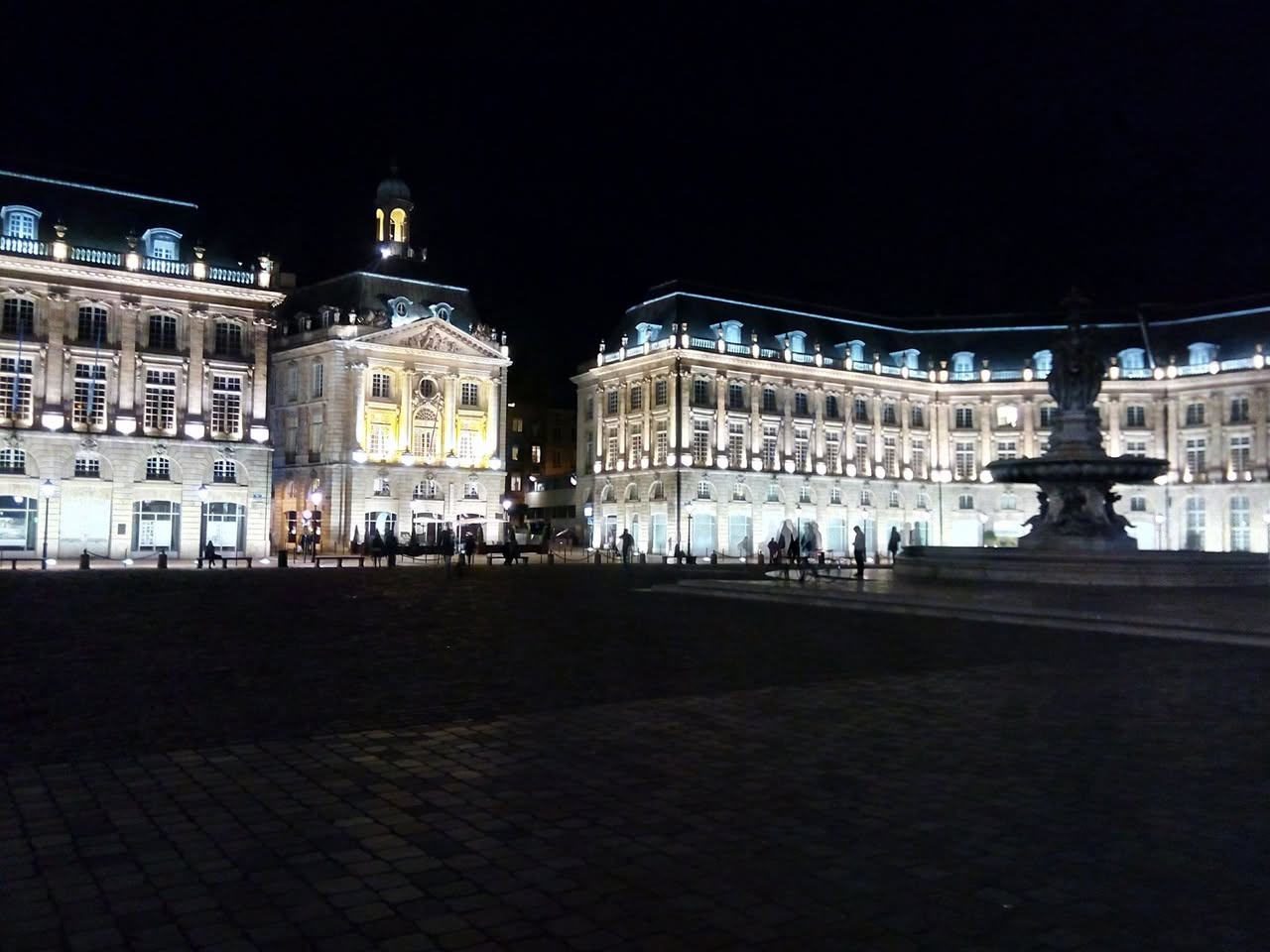
My Airbnb host Julien doesn’t speak any English and I recognize only about every 5th word of French so we’re using the Google Translate app to communicate. It does speech recognition, shows the words in the native language, then translates that text into the other language. It’s quite easy to go back and forth and we worked out where the tourist office is, winery tours in the area and where it would be interesting to walk to tonight. I left the flat around 7:30 and took a tram a couple of km up to the Borse (stock exchange) building. Then I walked along the river up to what Google called the Science Cap (museum) and the submarine pens. I’ll have to see if they were U-boat pens during WWII, but there’s nothing there now except a big dark square water area with some locks out to the river. I then walked all the way back home through some Christmas-decorated shopping areas and some dodgy-looking back streets, home at 10:30 pm. Oh, I stopped and bought more Boursin and crackers and ate them, then went to bed.
In the morning I went to the tourist office right at opening time. I find there’s a wine tour going from 2PM – 7PM, the pickup point is at the other tourist office behind the Borse. I’ve got 4 hours to kill so I start walking. I stop and have a pastry and a chocolat chaud. I go into a luthier shop but he only does violins and cellos, I show him a picture of the guitar I made and he gave me a thumbs up. I found another music store with about 100 guitars, so much guitary goodness. It’s really cold so I bought a pair of gloves for 1.50 euros. Of course they don’t work with the touch screen on the phone so I think I’ll cut off the index fingertip on the right hand (of the glove). I walk through a large antiques market with lots of individual stalls the size of large living room. Some cool old stuff, and I mean old, the furniture there could be hundreds of years old. I have a nutella crepe for lunch.
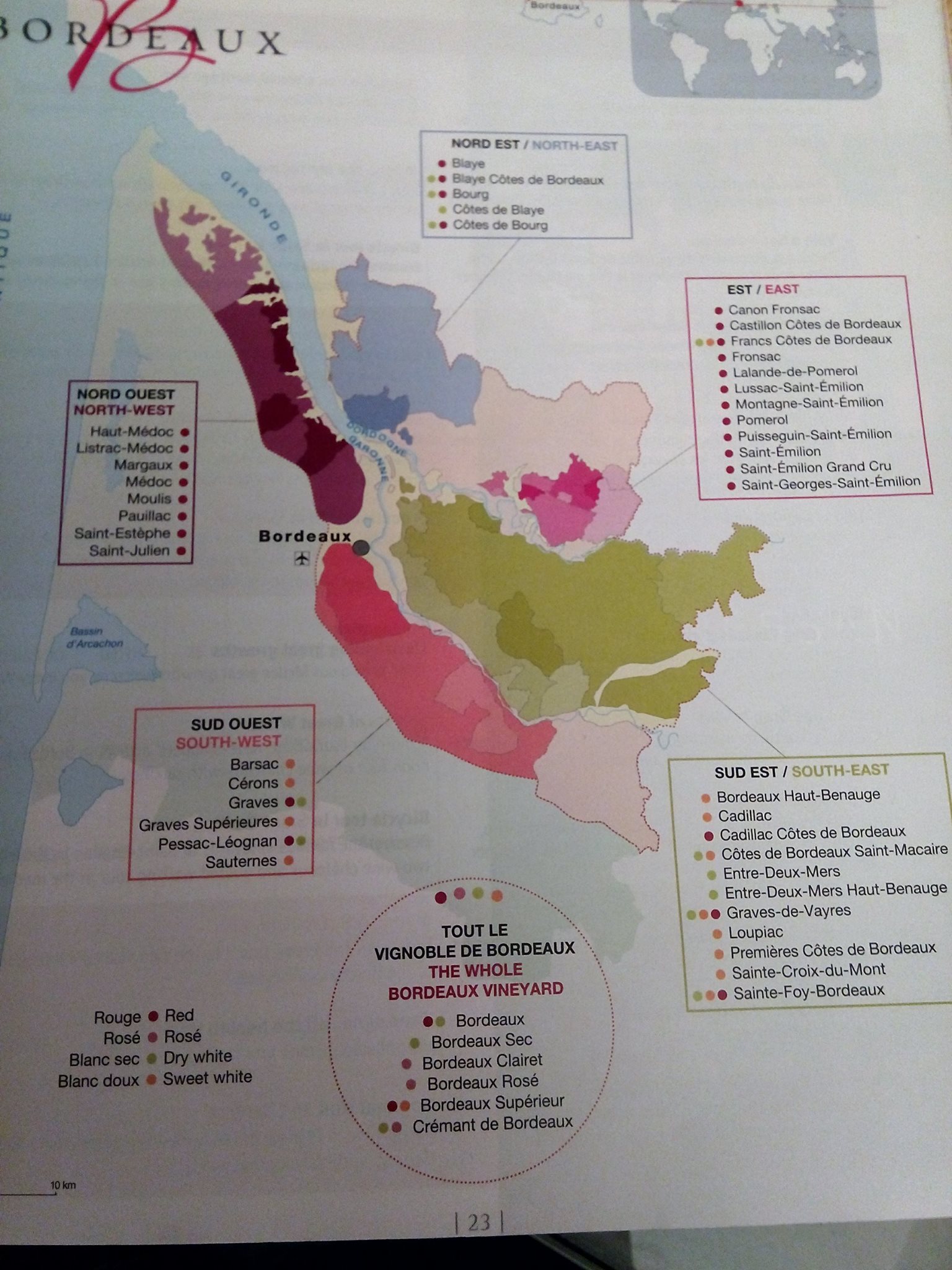
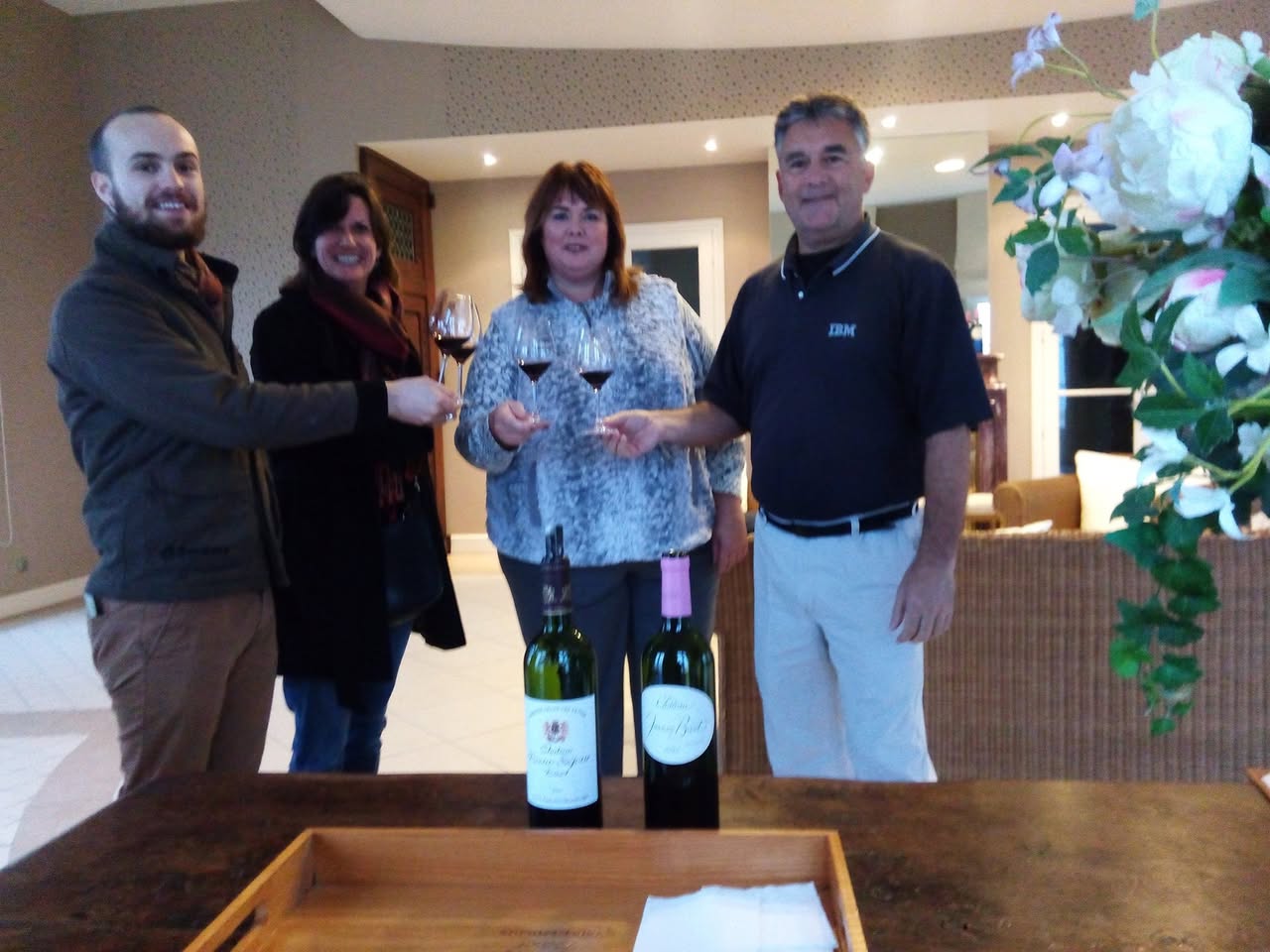
At 1:45 I go to the tourist office. There’s me and 3 Americans for the tour, one’s a student in Paris and two ladies are from Alabama, here with their husbands who are teaching a supply chain management course. I decline to talk about supply chain and some of the people I knew who were trying to run one… The young man giving the tour is very knowledgeable and we drive off to the northeast to the village of St. Emilion. The guide outlined the hundreds of tiny defined wine regions (appellation) around the area. Each appellation is registered and your winery and wine have to follow the standards of your appellation. If you have extra land and want to plant more vines, they will come out and test your soil to see if it matches the standard and if not they turn down your request. St. Emilion is known for strong reds, based mostly on Merlot with some Cabernet Franc and sometimes a bit of Cabernet Sauvignon blended in. The soil quality is terrible, brown clay over blue clay, which makes for hard-working vines and very high quality grapes. Even within this appellation, there are 3 distinct regions, the plateau, the slope and the valley. For those of you who might want to buy up a little vineyard in your retirement, the current price is about a million euros per acre. It’s one of the most expensive wine regions in the world.
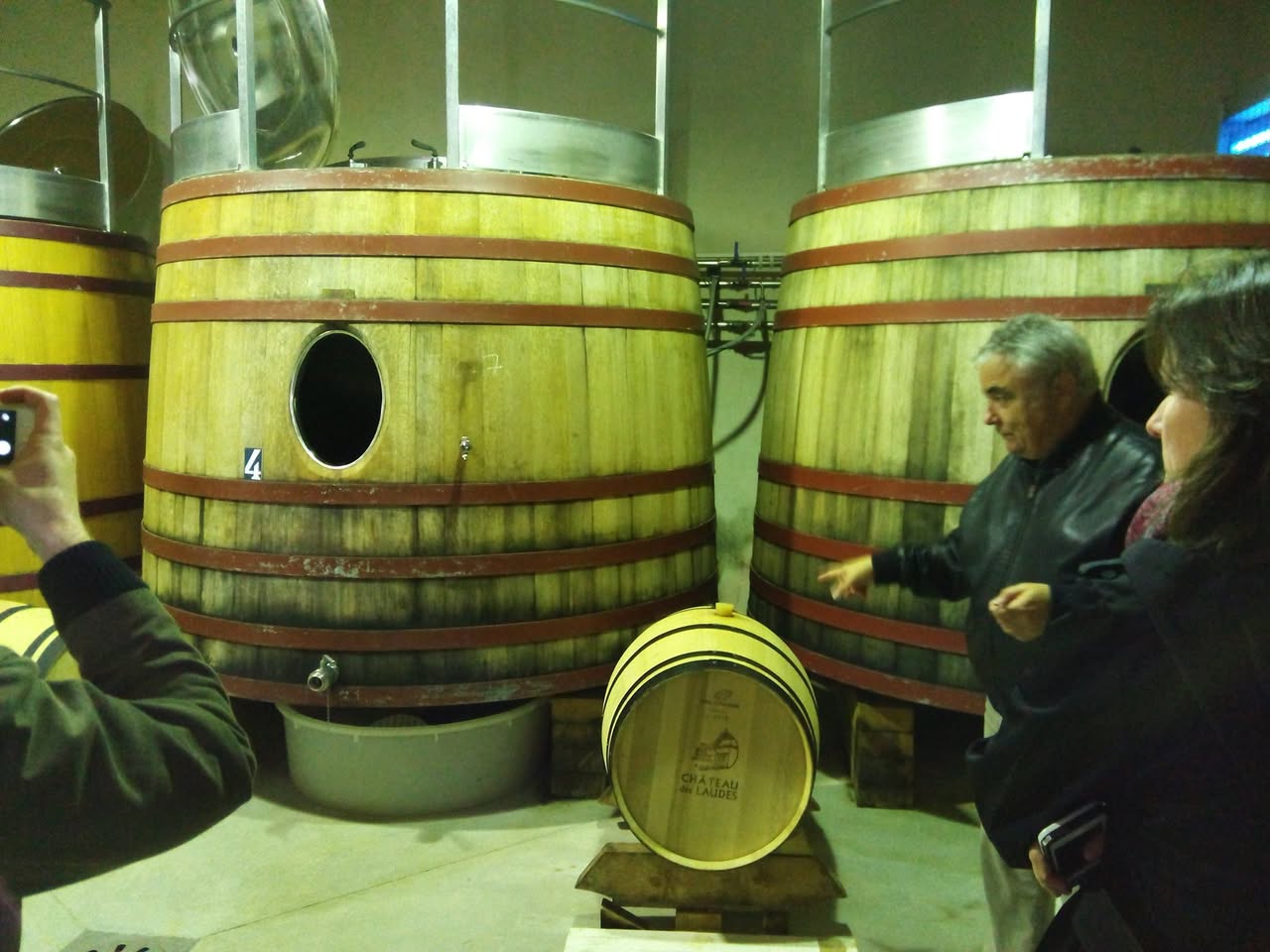
We stop first at a family winery called Chateau des Laudes. This place is *tiny*, and is run in an old-school way. And I mean 1000 years old-school. The owner of this winery traces his father’s family back 300 or so years of winemaking and his mother’s family back over 1000 years to the Barbarian invasions of France. The whole property is 5 hectares / 12 acres, with vines on about 8 acres. They use no irrigation and no spraying. When one of the three crops is ready, they hand pick each grape off the bunch, taking the ones on the outside to preserve the “Noble Rot” mold that grows on them. They hand clean the stems and then put the fruit into a big bin and slowly add weight to the top. This gently breaks the skins, letting the juice escape without bruising the skins. Next the mixture is put into new French oak barrels for 3-4 months with no chemicals or filtering to accelerate the process, the wood does all of the work. When the oak is done, the winemaker decides the exact blending ratios to get the taste he wants, knowing how it’s going to change in the future based on years of experience in the region, then it goes into the bottles. With their acreage, planting density and yields, Chateau des Laudes gets only about 11 barrels per year, at 300 bottles per barrel. They sell only direct to the end customer and have a rabid fan base. The owner took over an hour to explain his grapes and his processes, truly incredible attention to detail.
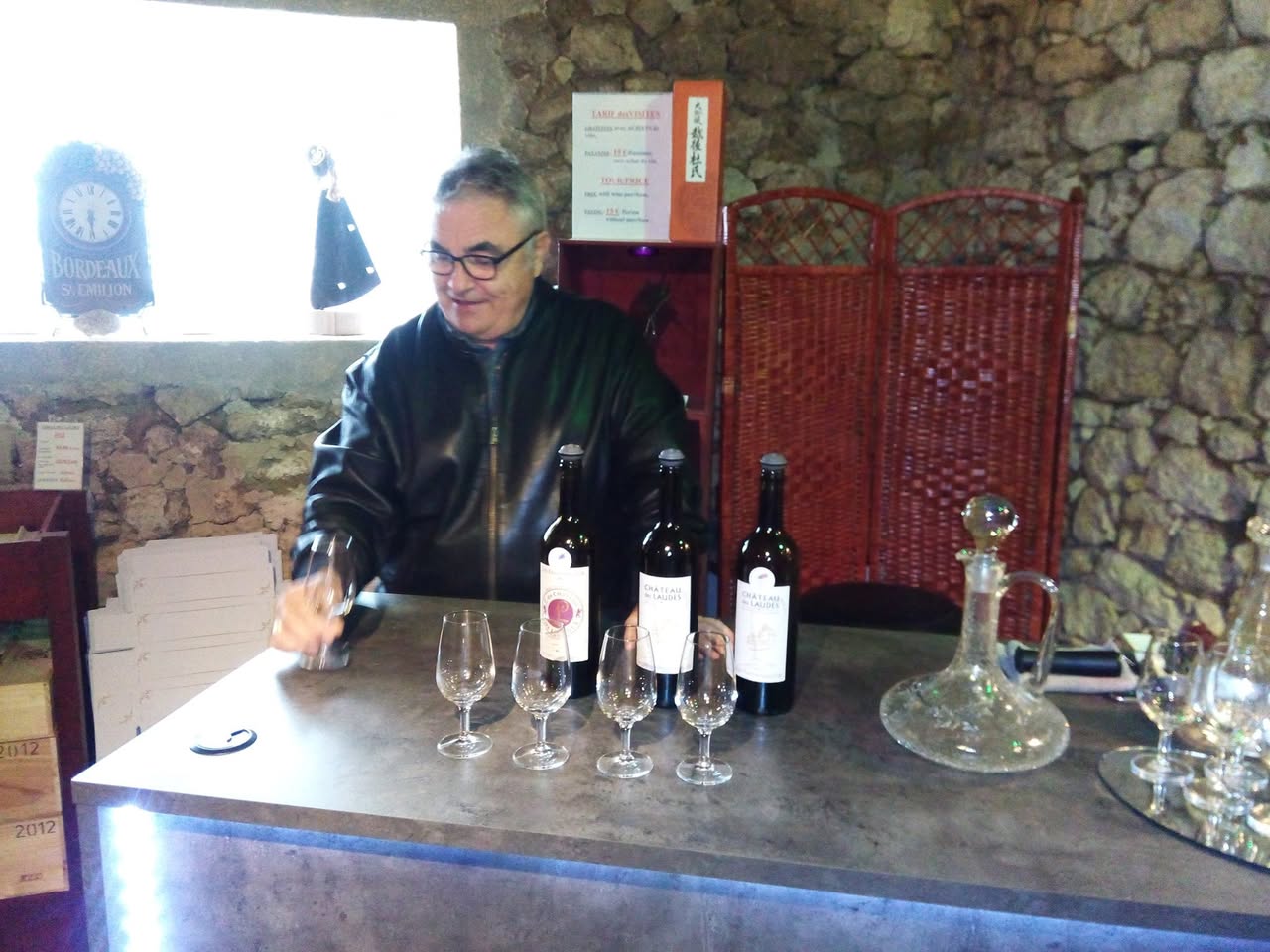
We then went into the 16th century tasting room (stone shed) and had 3 tastes, following his tasting instructions. These bottles are “ready to drink” in about 15 – 20 years but you can drink them younger by properly decanting. We were taught the proper (French) way of drinking red wine. Let the bottle sit for 50 minutes at room temperature. Open the bottle and let it sit for 10 minutes to let a small amount of oxidation occur. Pour into small glasses about 1/5 full, none of this huge red wine glasses business. Quickly take multiple sniffs, up to 30 seconds, to imprint the bouquet in your brain. Swirl hard for 5 seconds then smell, then drink. For every drink, swirl 3 times just before. The point of all this is to let the oxygen bring out the bouquet. The tasting fee was 15 euros or waived if you buy a bottle, so I dropped 27 euros for the cheapest of the good stuff, leaving the over 100 euros stuff on the shelf.
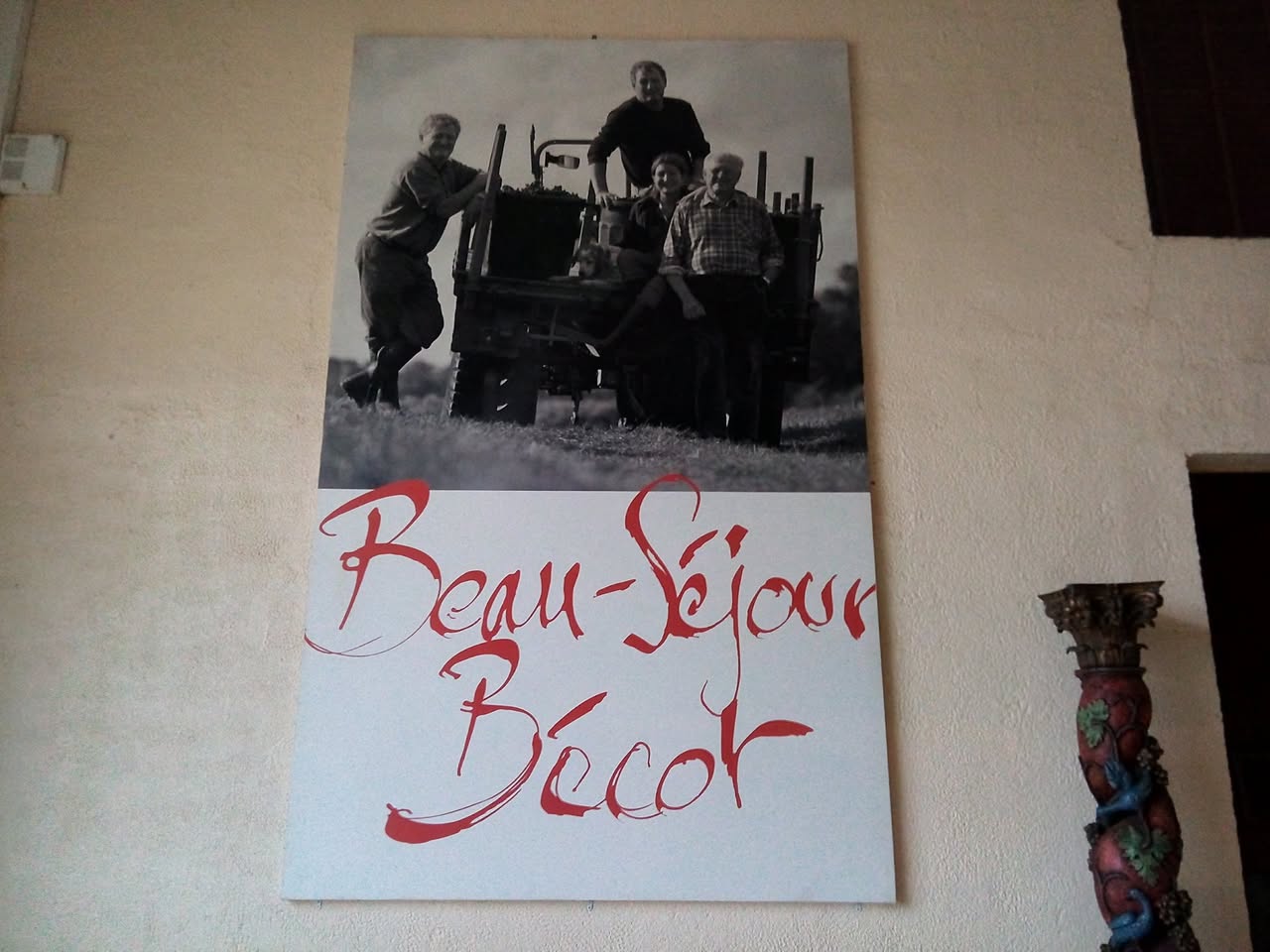
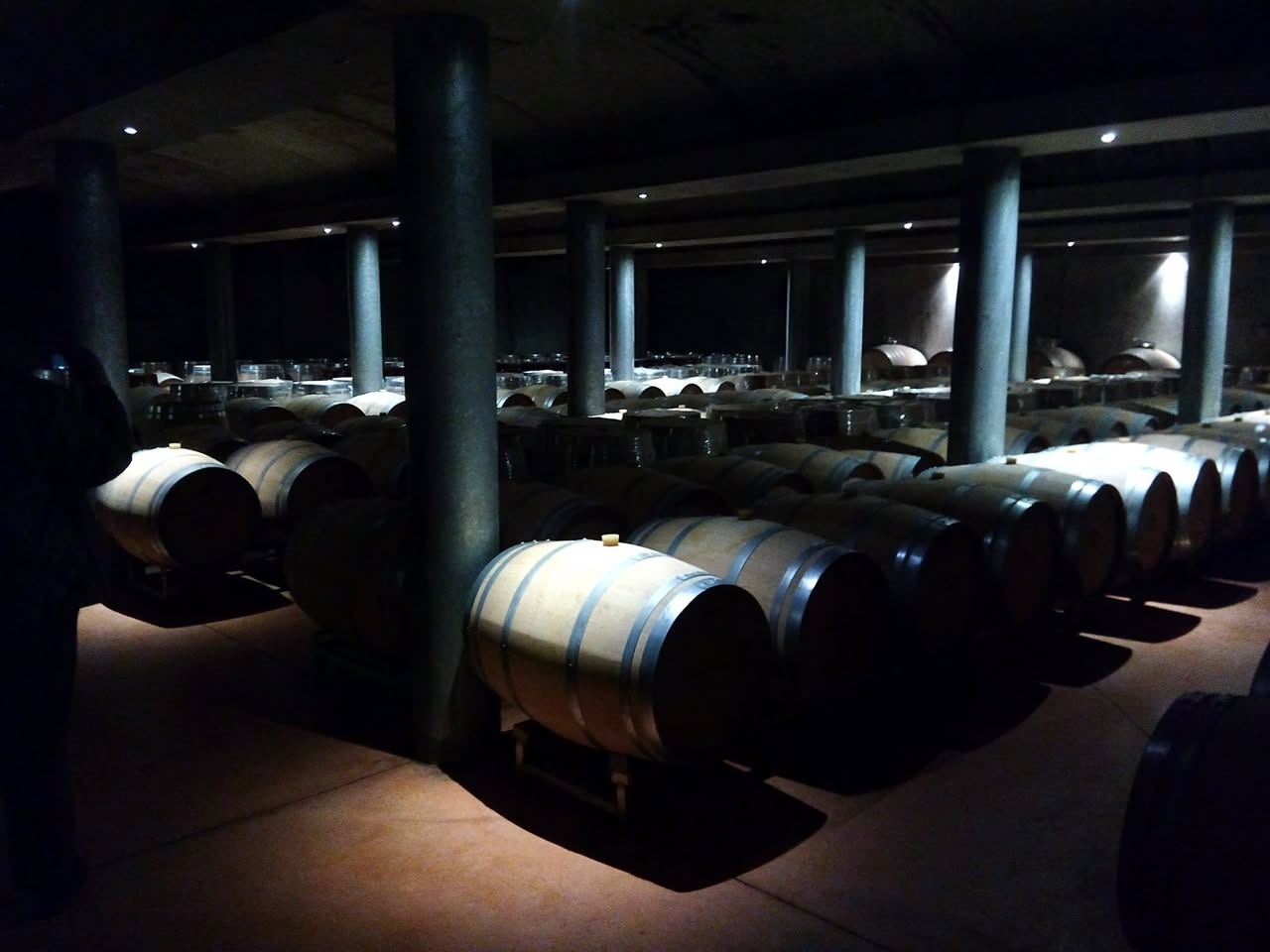
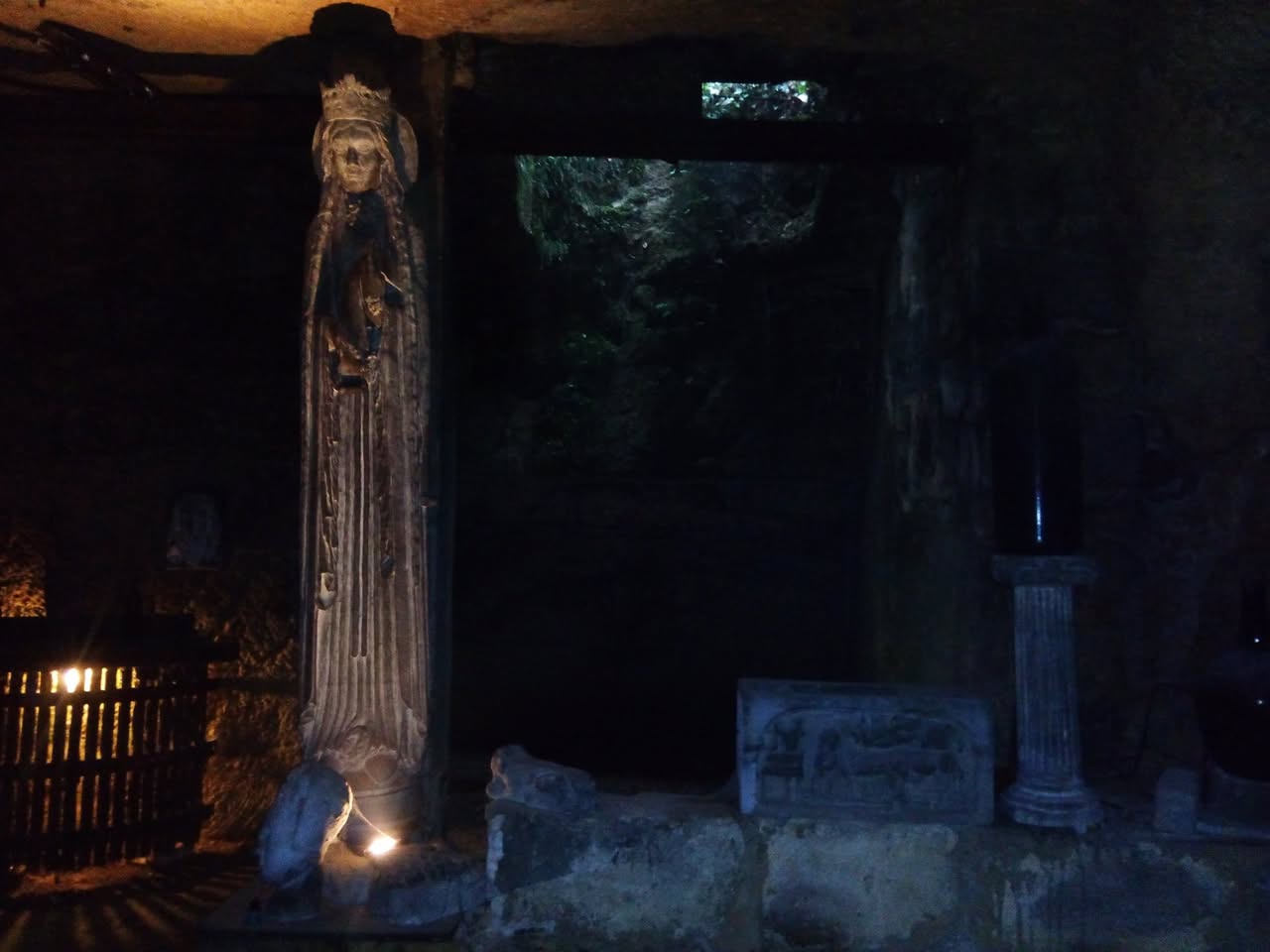
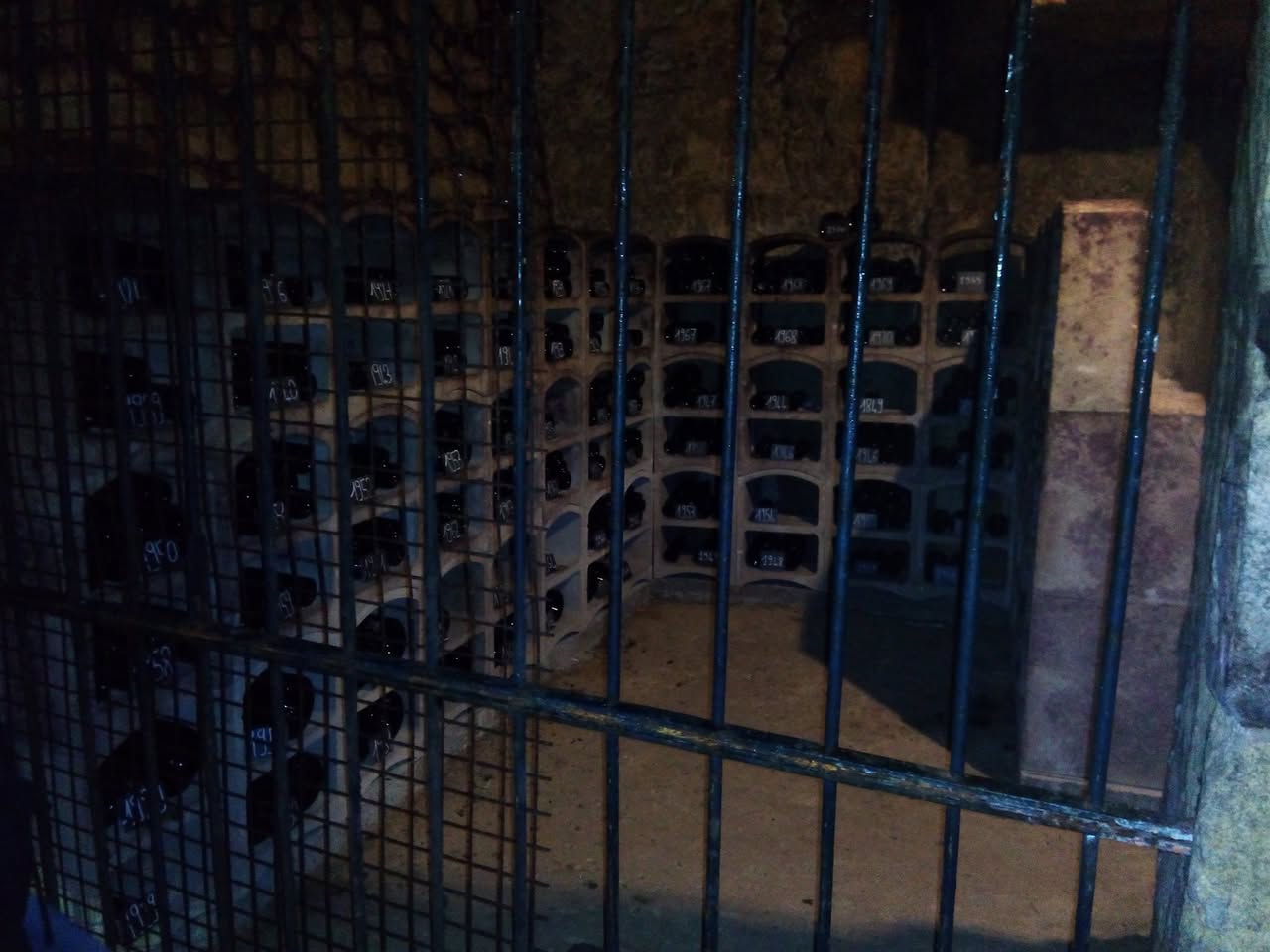
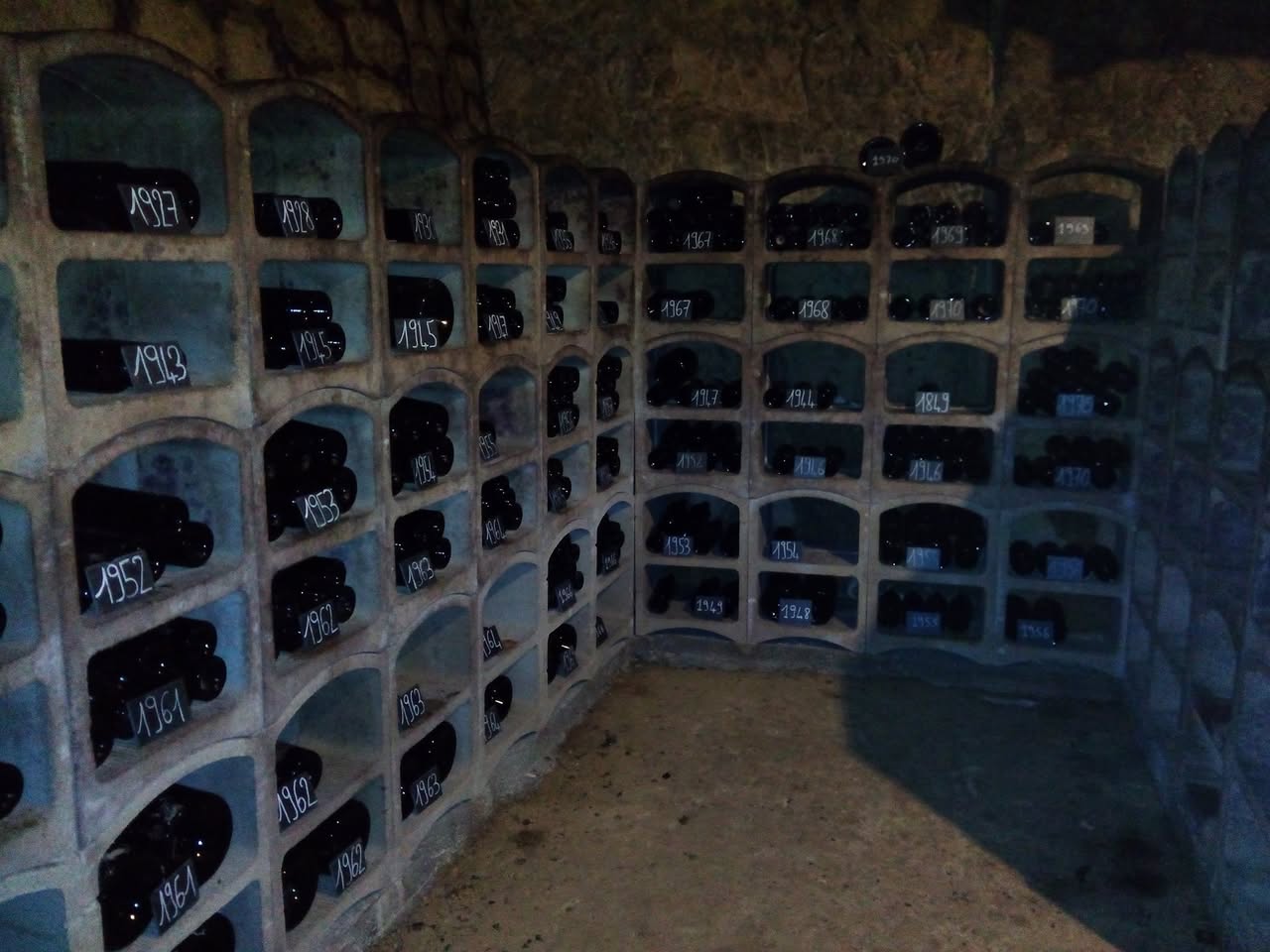
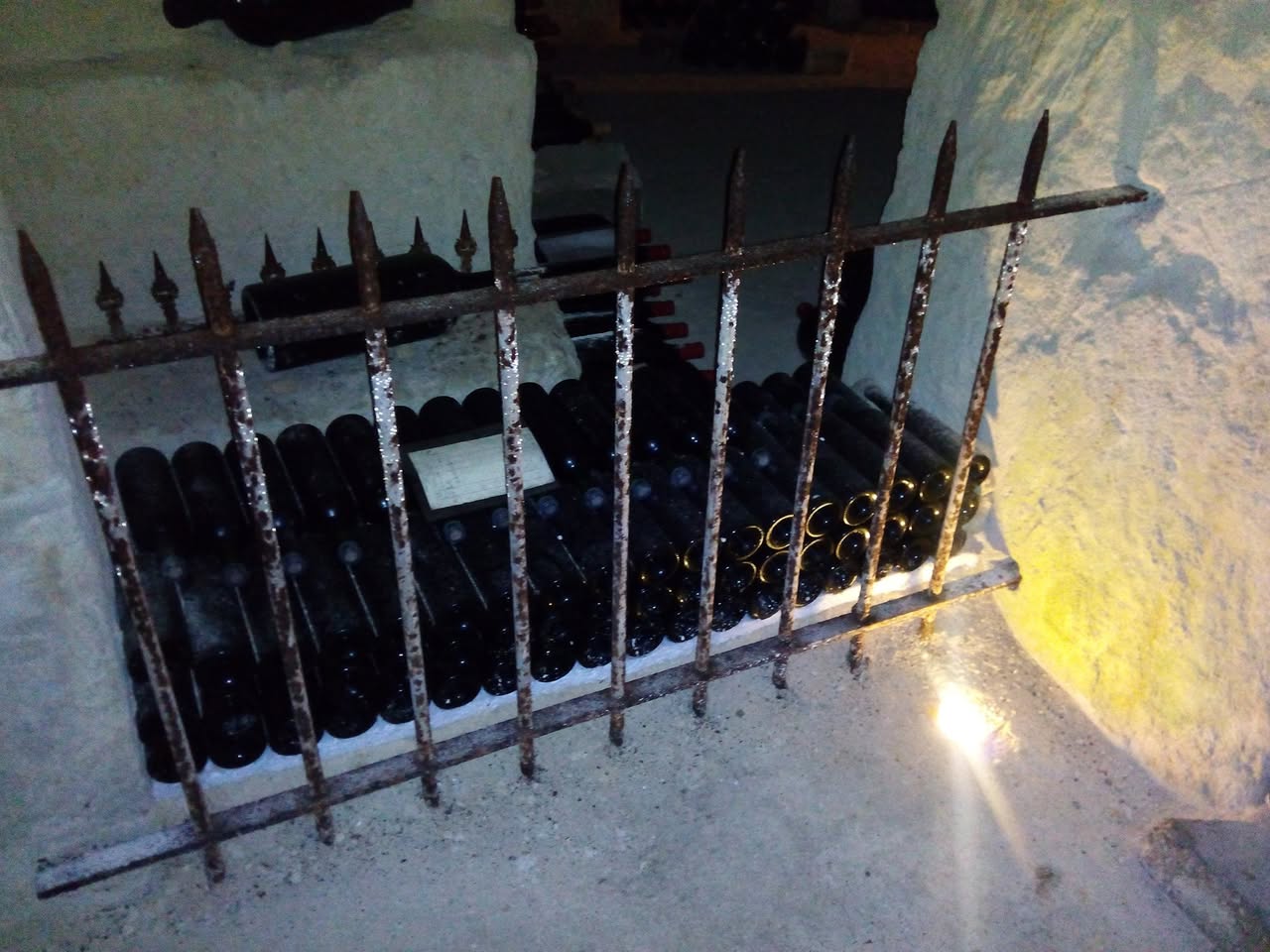
We then drove about 10 minutes to the other side of the village to a winery called Château Beau-Séjour Bécot. This is a much larger operation, but still family run, using more modern processes like mechanical crushing, heated stainless steel tanks and new French oak barrels at 300 euros each. The stunning thing about this winery is its cave system. This area was underground quarried for centuries, extracting limestone to make buildings all over France, leaving an interconnected system of tunnels totalling about 20km under the village. Walking through these tunnels was like being in a horror movie – bad lighting, tunnels forking in all directions, holes in the roof with fog swirling down… But the amazing part were the many, many niches in the side walls filled with rows upon rows of wine bottles. Some had rusty metal grates guarding them, many were labelled with the year of the grape harvest. It’s worth visiting this winery just to walk through the tunnels. Check out the pictures, sorry for the bad lighting.
We drove back into town and said our goodbyes. The Alabama ladies recommended La Raclette restaurant where I had a 3 cheese, white wine and nutmeg fondue. I took the tram home and met the other Airbnb customer who works in Bordeaux during the week then goes home to the French Pyrenees on the weekend.
Tomorrow, across the border to Barcelona.